
Minimalist lighting
What is minimalist lighting?
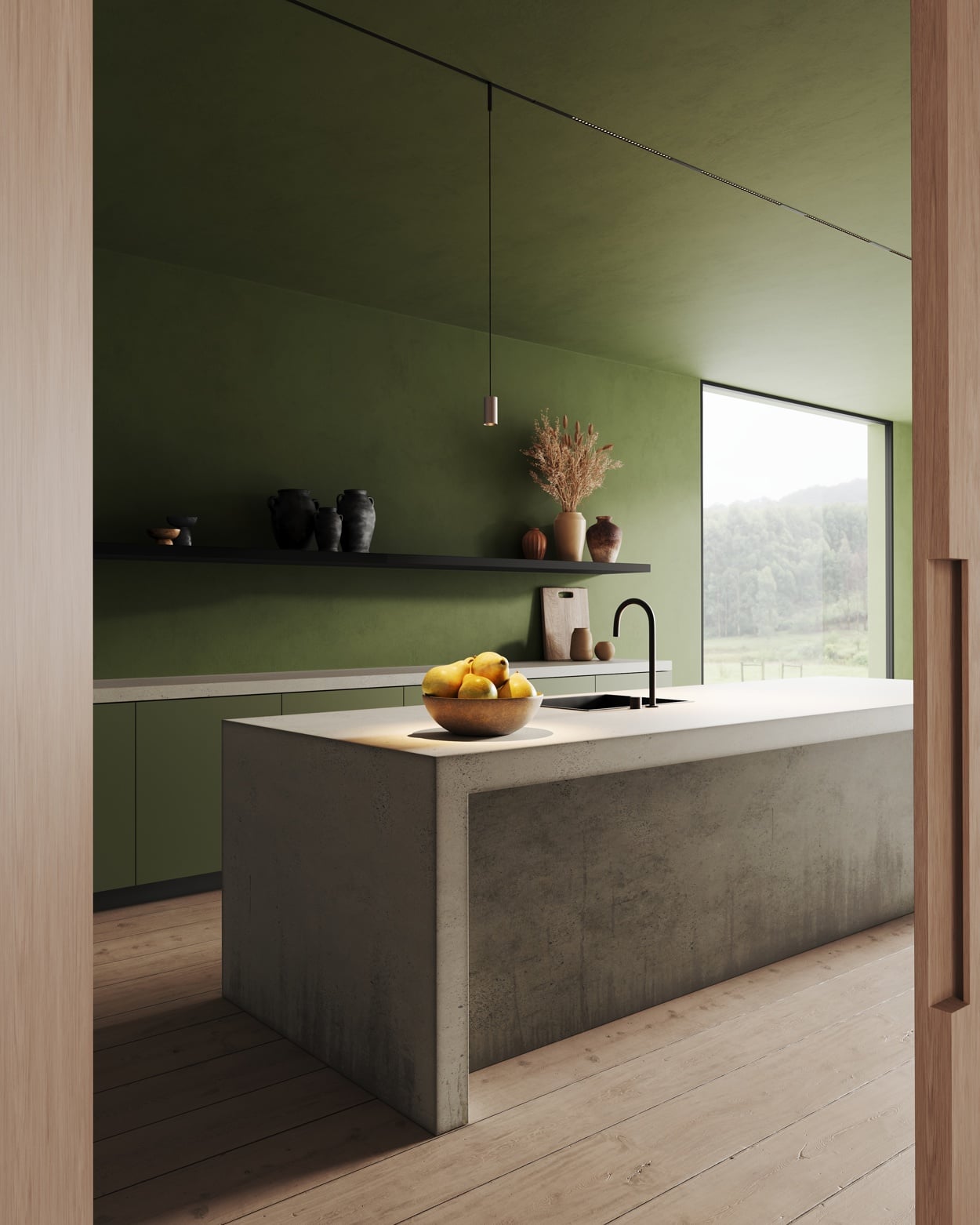
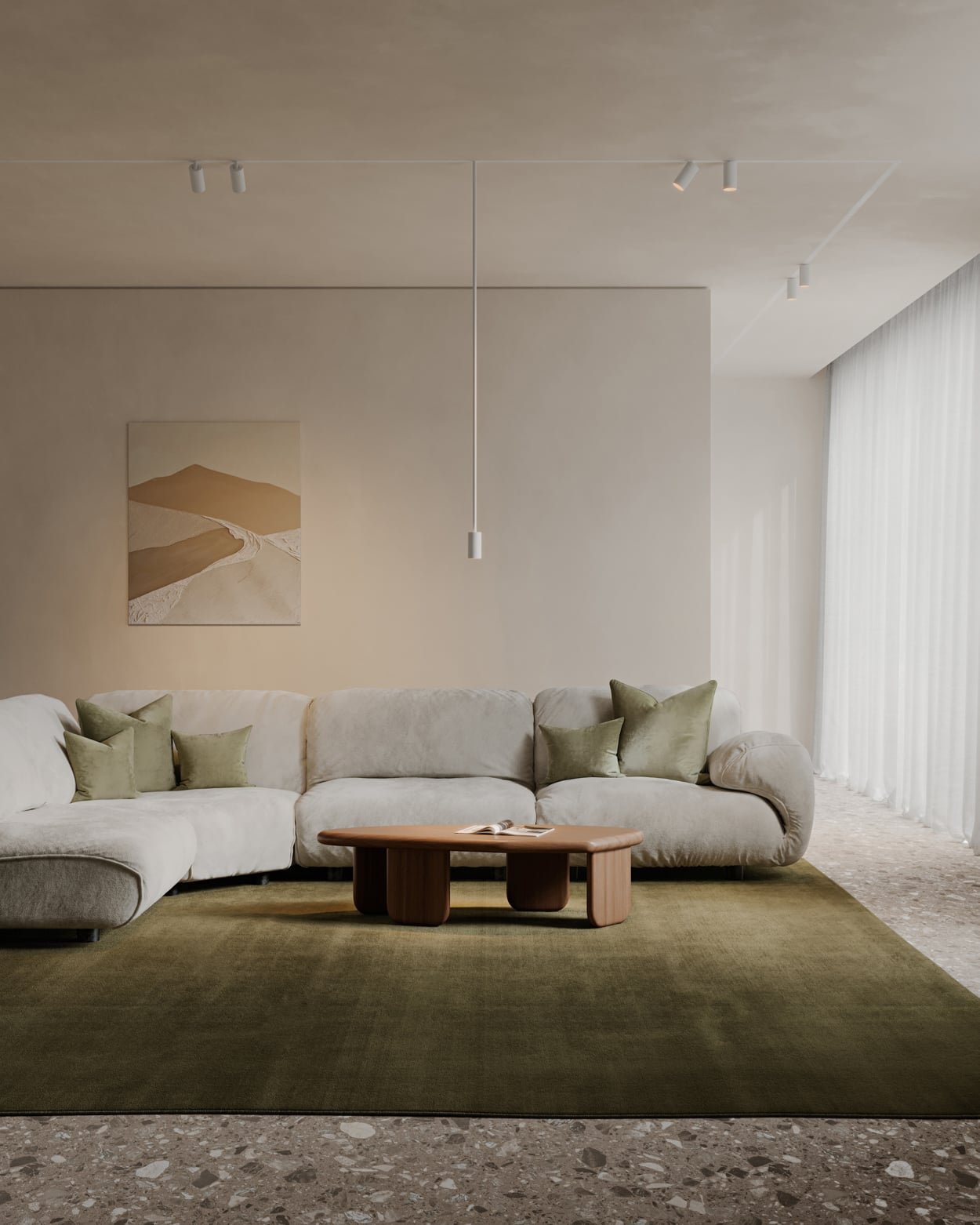
Minimalist lighting removes visual distractions and allows architecture, materials and proportions to define a space. That doesn't mean lighting should disappear completely. It means every luminaire has a clear purpose.
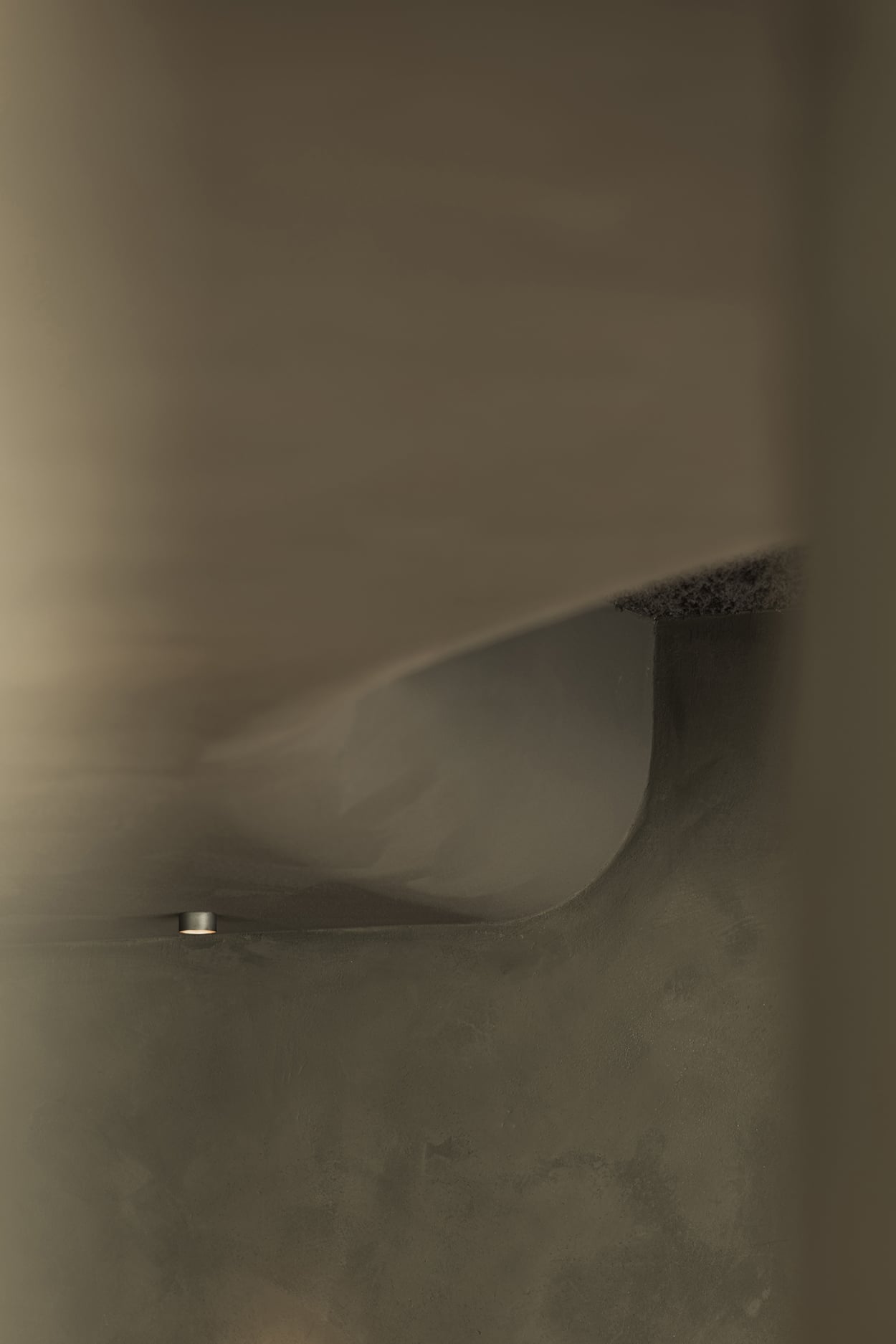
Architects and interior designers increasingly choose lighting that integrates into ceilings, walls and architectural details rather than competing for attention. Smaller profiles, reduced volumes and carefully positioned light sources create calm, balanced interiors where materials and space take centre stage.
-
-
-
-
The best lighting is often the least visible
A large decorative fixture can become a focal point, but many projects call for the opposite approach. In these spaces, lighting should support the architecture rather than dominate it.
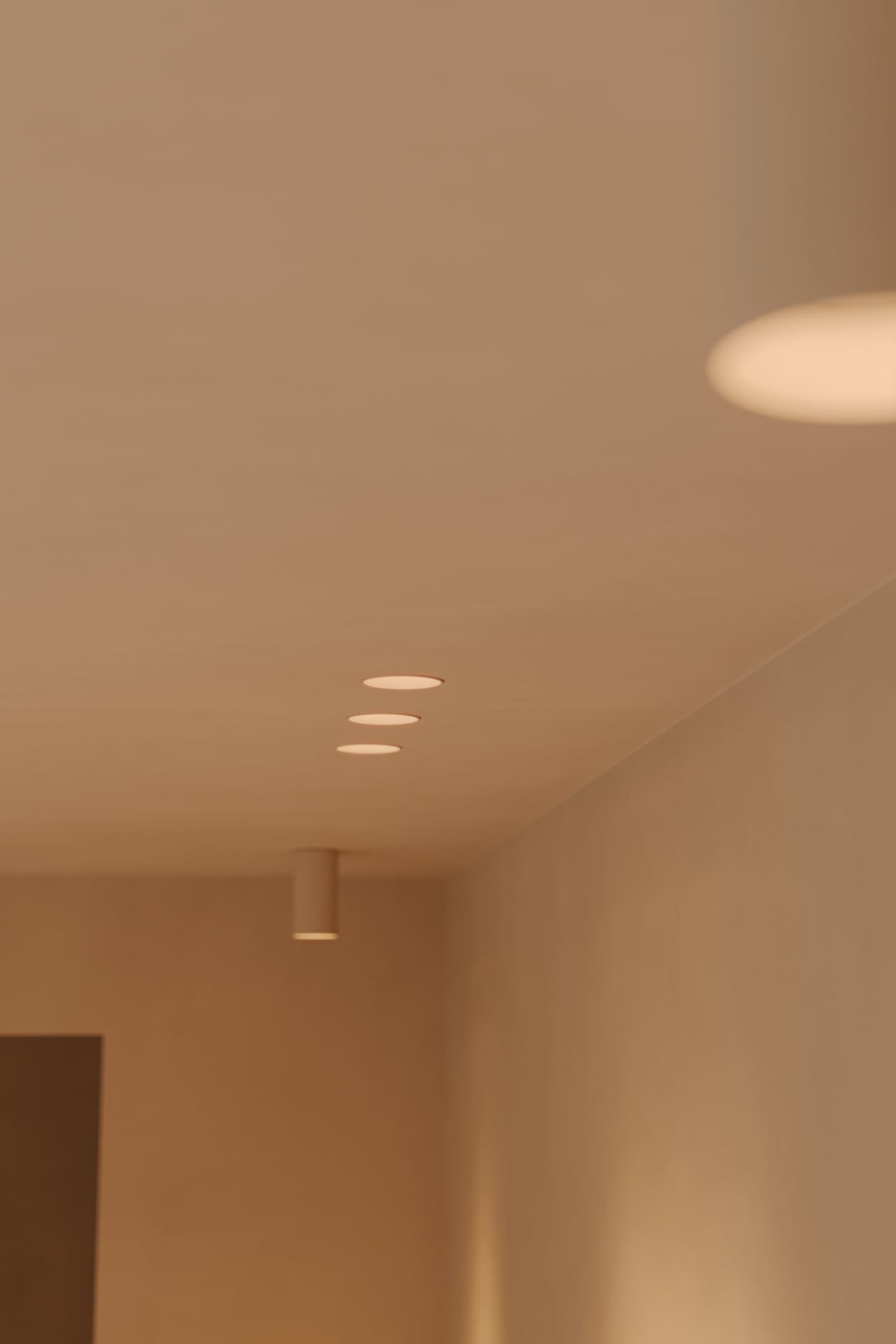
Discreet lighting solutions create visual continuity. Ceiling lines remain uninterrupted, materials retain their character, and light highlights the architecture without introducing unnecessary visual noise.
This approach is particularly relevant in contemporary interiors where simplicity and precision define the overall design language.
Discover our minimalist lighting
Minude
Directing attention with light
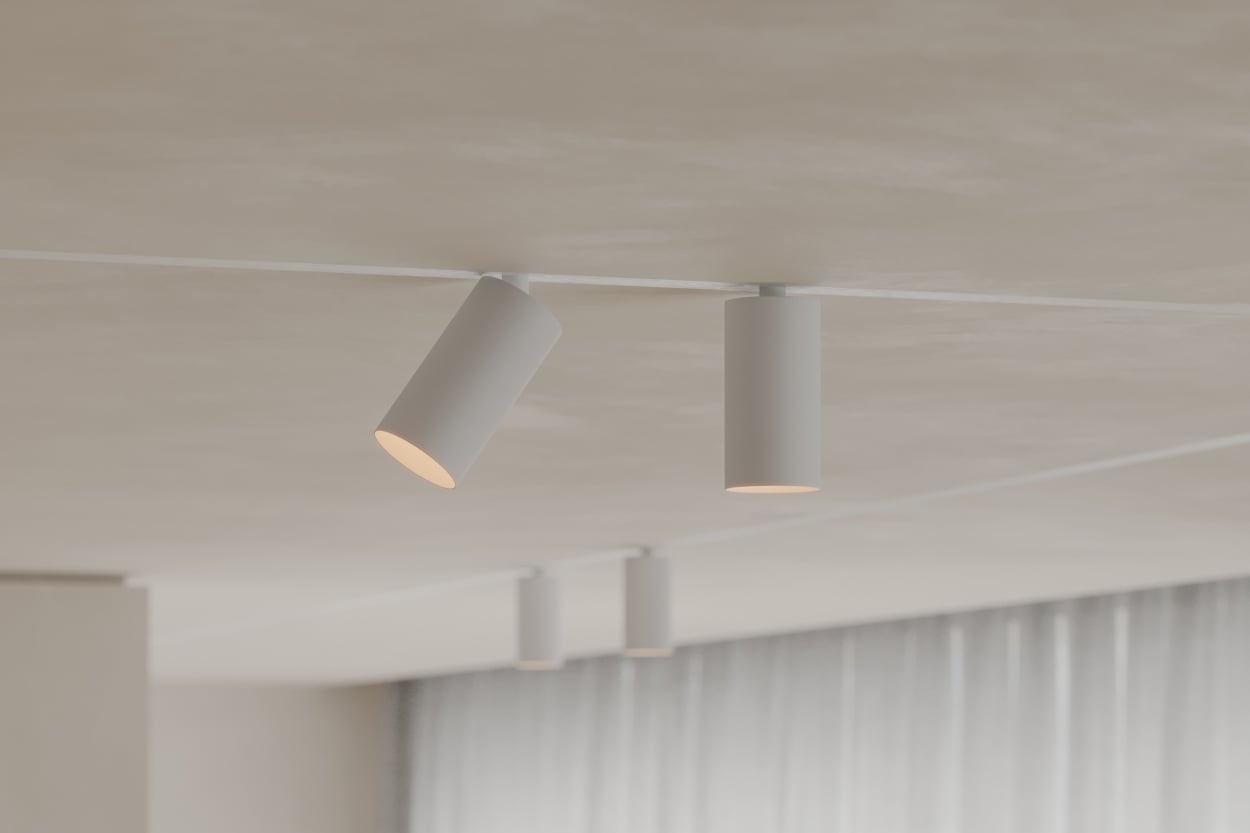
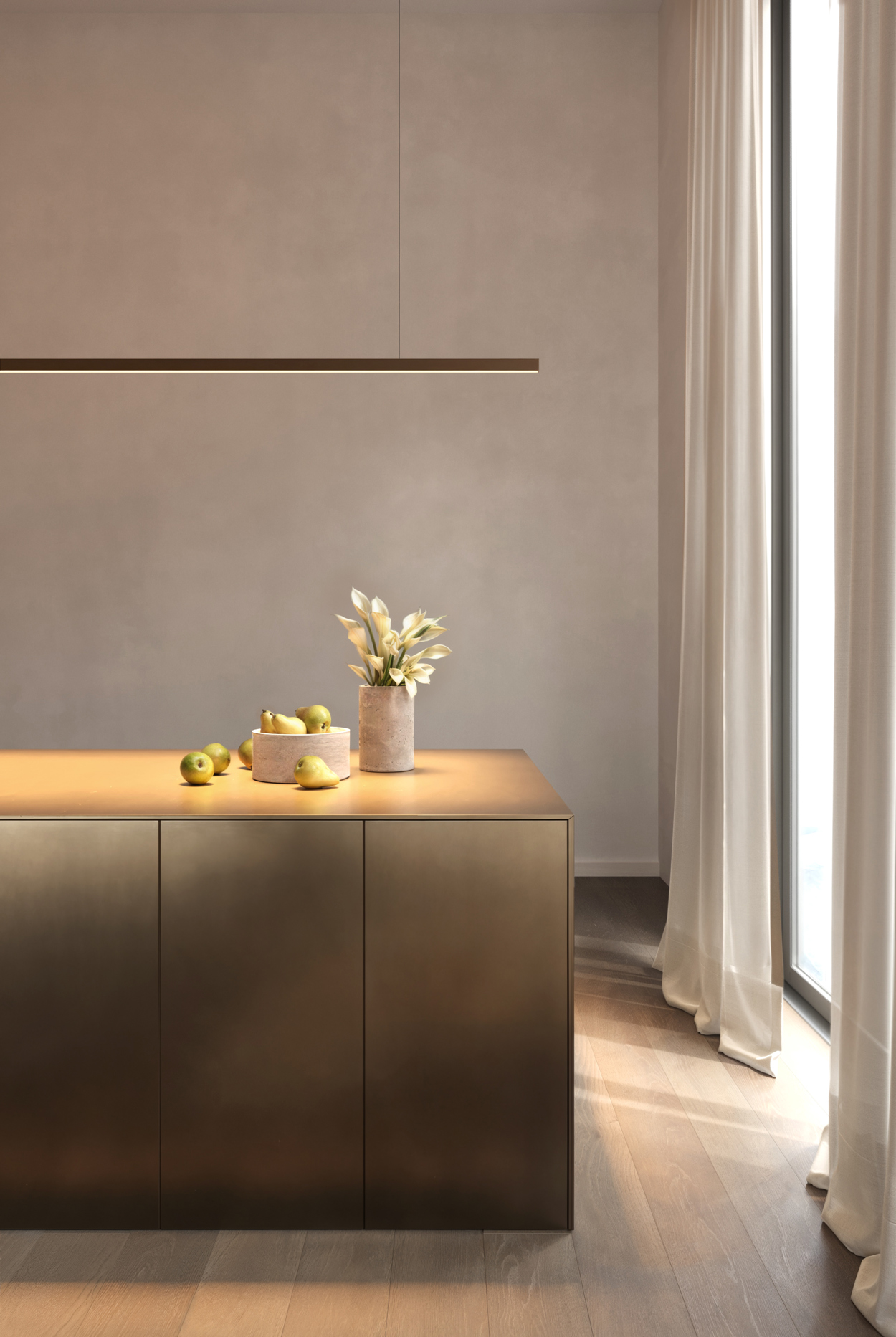
A small light fixture can have a significant impact when paired with the right light distribution. Minude demonstrates how precise beam angles can create focused pools of light above a dining table, emphasize materials, or define intimate zones within a restaurant.
Marbulito
Compact lighting with architectural intent
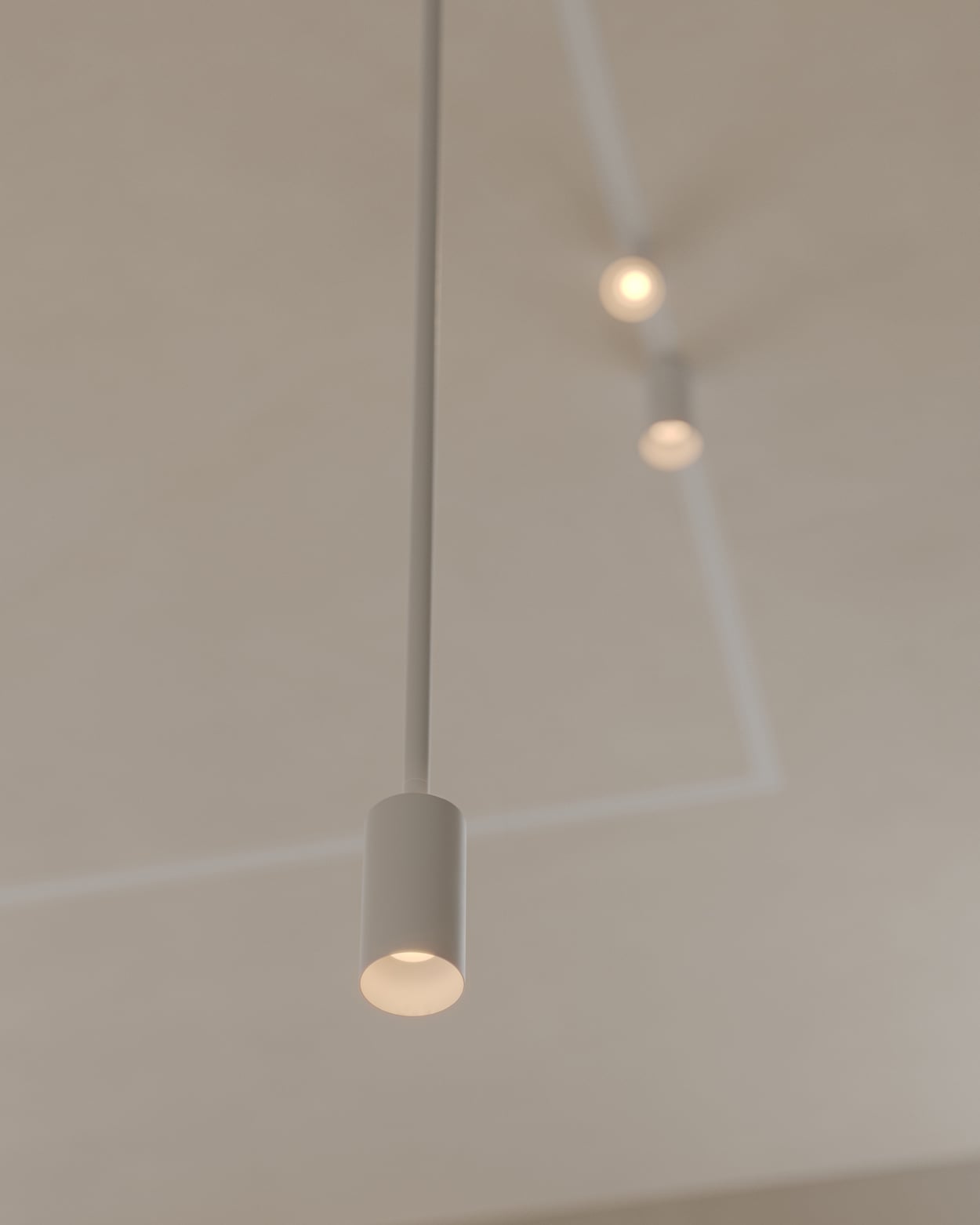
Its compact dimensions allow Marbulito to integrate naturally into a space. Instead of competing with furniture, finishes, or decorative elements, Marbulito supports the overall composition through carefully controlled light.

-
-
-
-
Where does minimalist lighting work best?
Minimalist lighting can be applied across different architectural settings, including:
- Residential interiors
- Restaurants and hospitality projects
- Retail environments
- Open-plan living spaces
- Reception areas
- Contemporary office projects
In each case, the objective remains the same: reduce visual clutter while creating the right atmosphere.
Discover our minimalist lighting
FAQ
Which luminaires work best in minimalist interiors?
Small ceiling spotlights, discreet track systems, integrated linear lighting, and fixtures finished in the same color as the surrounding architecture are all effective solutions.
Can track lighting be minimalist?
Yes. Slim track systems with integrated lighting elements provide flexibility while maintaining a restrained visual appearance.
How can lighting blend into a ceiling?
Selecting a light fixture in the same finish as the ceiling reduces visual contrast and allows the lighting to become part of the architectural composition.
Is minimalist lighting suitable for restaurants?
Yes. Directional lighting and precise beam angles can define tables, highlight materials, and create intimate atmospheres without overwhelming the interior.