
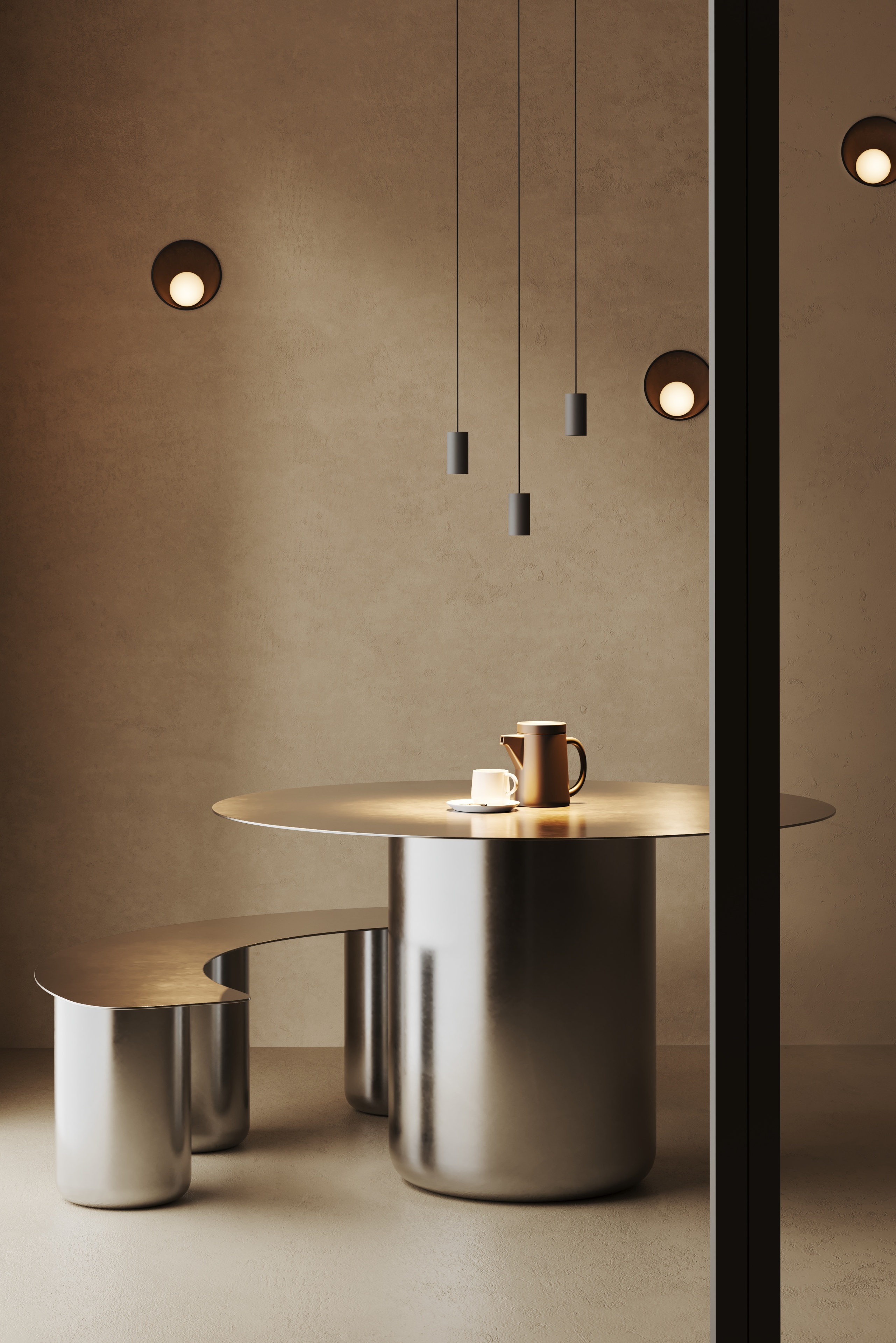
Hotels and restaurants can use programmed scenes for different moments of the day
Smart lighting gives architects, lighting designers and building owners more control over how light behaves within a space. Lighting can respond to occupancy and daylight, follow programmed scenes or be controlled remotely. Connected lighting forms the basis of this approach. By connecting luminaires and controls, lighting becomes part of a wider smart ecosystem that can respond to how a space is actually used.
Connected lighting links luminaires and controls so they can communicate within a lighting system. Depending on the project, switches, sensors, control modules and other connected components can be used to adjust or automate the lighting.
The connection itself can be wired or wireless. Wireless solutions can use technologies and systems such as Zigbee, Casambi or Philips Hue.
Smart lighting takes this a step further. The lighting can become part of a wider ecosystem that also includes applications such as sensors, apps, voice control, window blinds and entertainment systems.
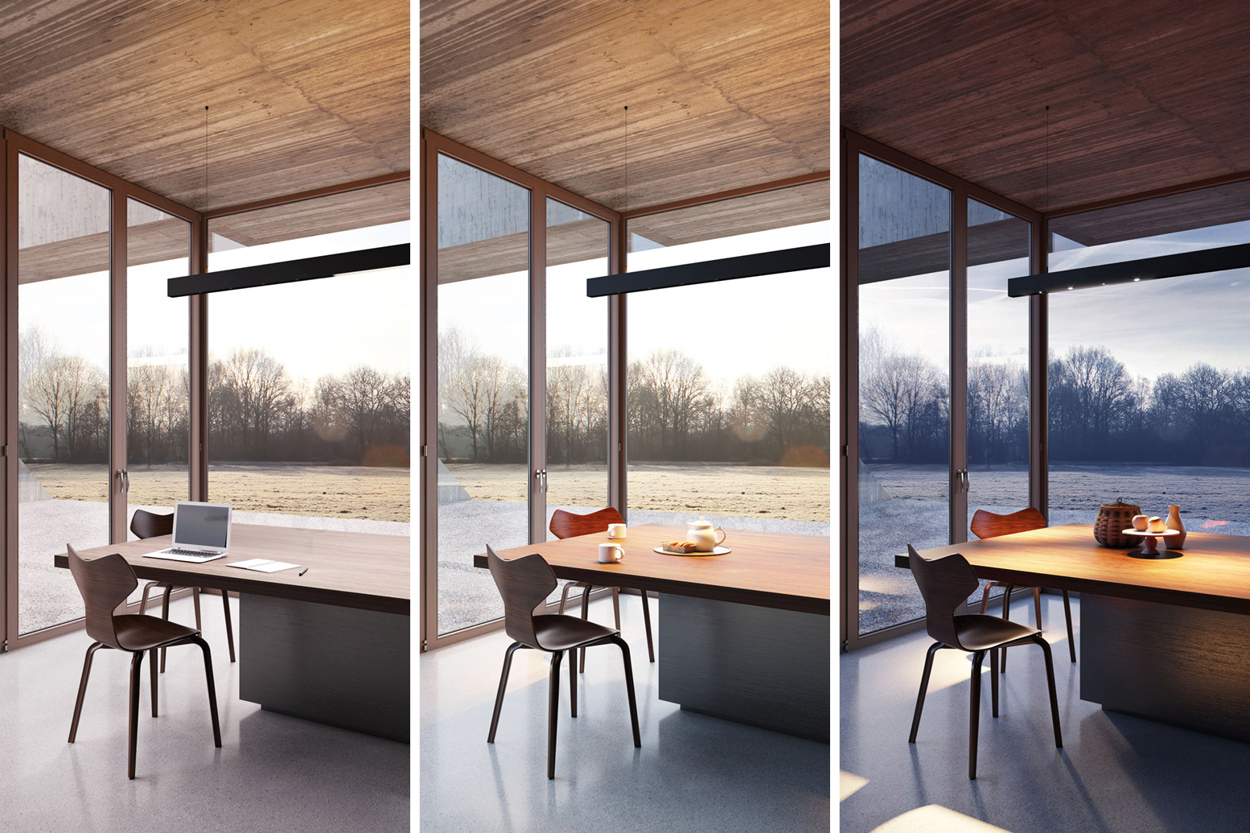
Smart lighting makes it easier to adapt light to different activities and moments throughout the day.
In an office, lighting scenes can support different uses of a meeting room. In hospitality interiors, different settings can create the right atmosphere throughout the day. At home, connected lighting can respond to daily routines or be controlled remotely.
Integration with other smart applications adds another level of control. Lighting can work alongside blinds, sensors or other connected devices rather than operating as a separate installation.
Discover our projects
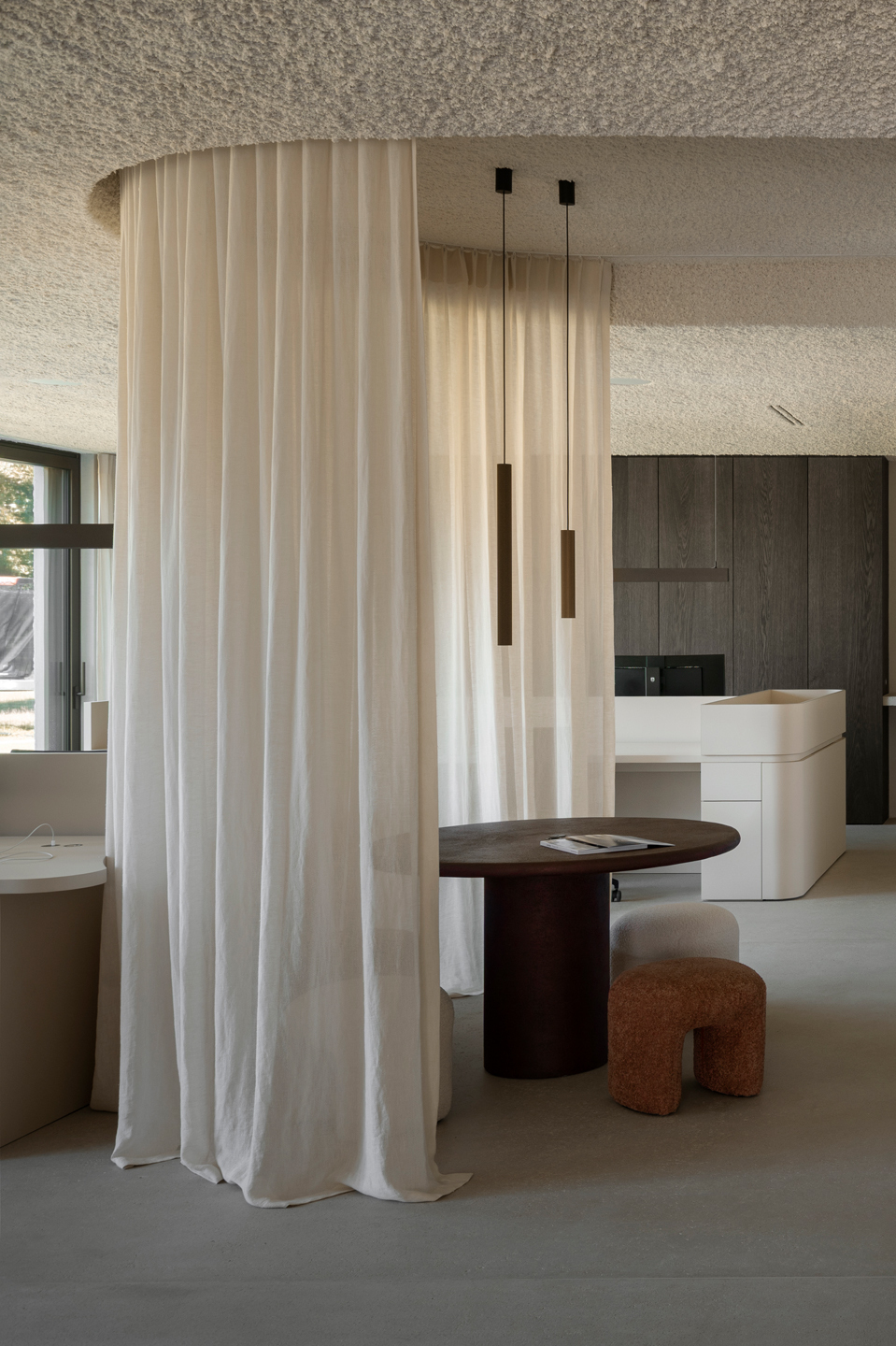
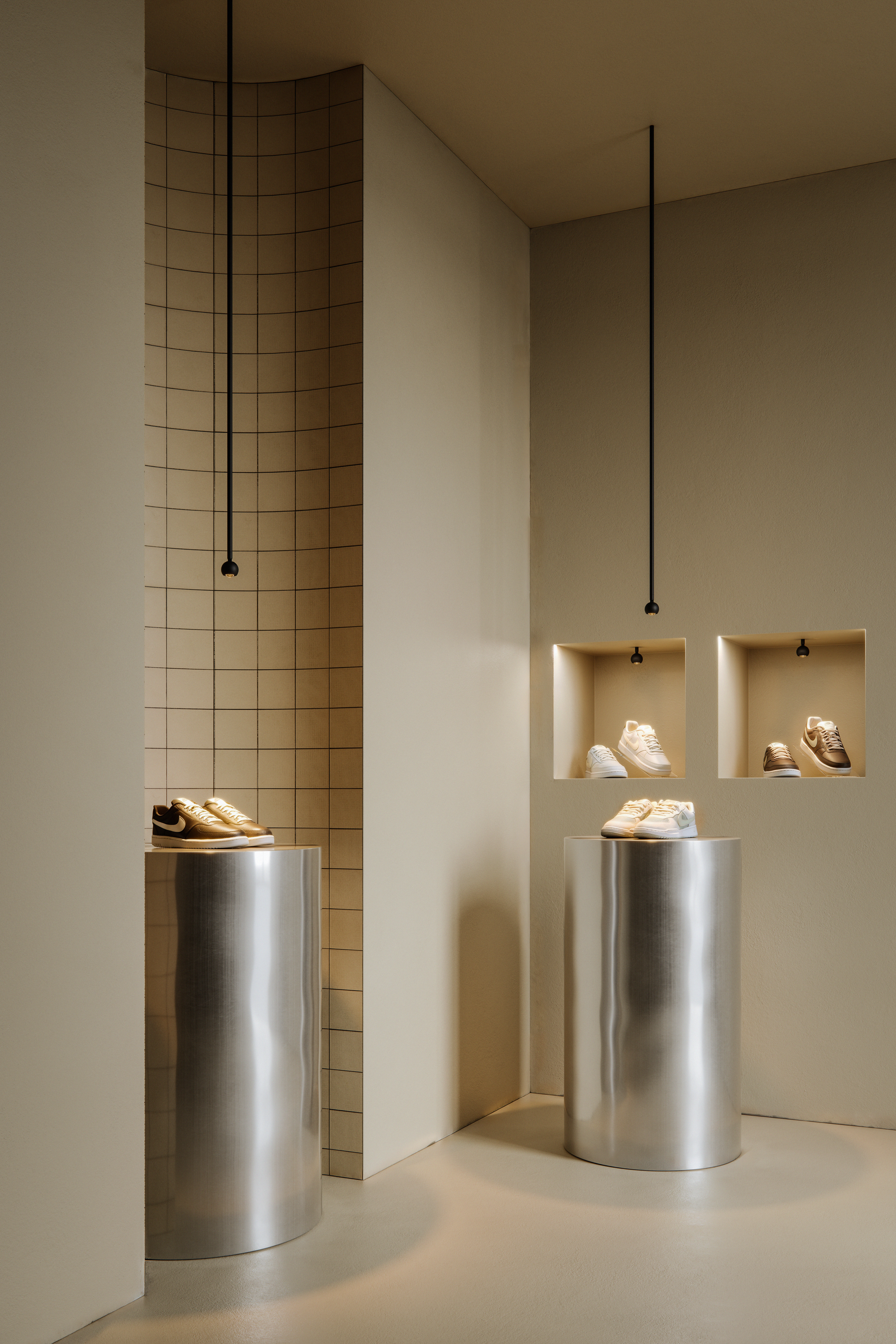
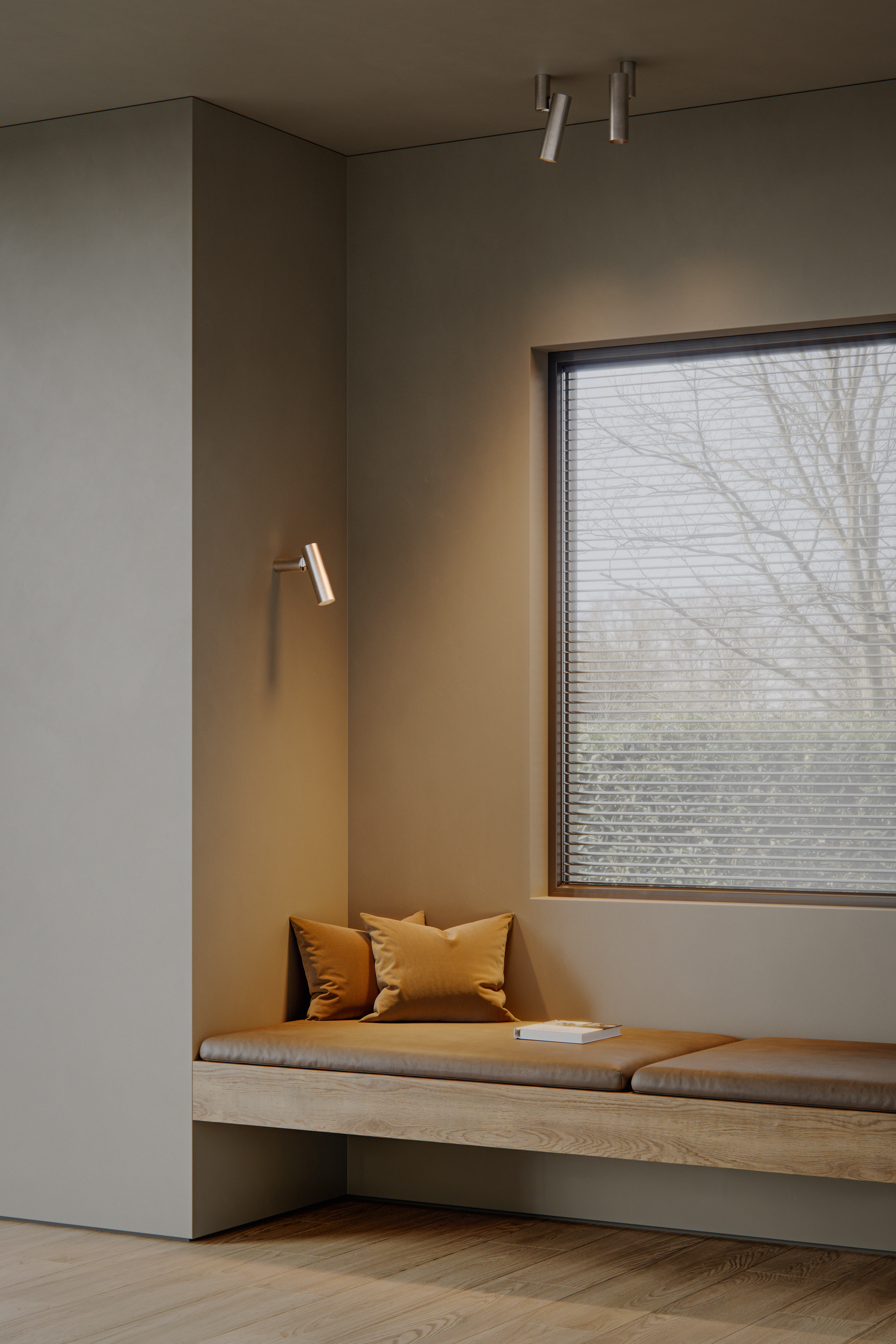
Smart lighting can help reduce unnecessary energy consumption. Occupancy sensors can switch or dim lighting when a space is empty, while daylight sensors can adjust artificial light according to the amount of natural light available.
These functions are not limited to wireless lighting. Wired systems can use sensors in much the same way. A wireless sensor mainly offers greater freedom during installation because it doesn’t require additional control wiring.
Combined with efficient LED lighting, these controls help ensure that light is used when and where it’s needed.
There's no single smart lighting system for every project. The right choice depends on the scale of the installation, the required controls and how the lighting needs to interact with other systems.
Wireless solutions from e.g. Philips Hue and Casambi can provide flexible control without additional control wiring. This can be particularly useful when adding smart lighting to an existing interior or where installing new control cables is difficult. Modular Lighting Instruments is your lighting partner in projects that incorporate Hue and Casambi combined, or separately.
For projects where lighting forms part of a wider smart ecosystem, compatibility also matters. Consider which other devices need to communicate with the lighting, how users want to control the system and how the installation may change over time.


Designed with consumers and smart home devices in mind, Hue will give the touch of a finger a whole new meaning. One touch or voice command is all it takes to bring interactivity into your lighting plan with the Friends of Hue ecosystem.

Casambi fits in commercial applications, residential spaces, hospitality, office and retail environments. With a portfolio dedicated to smart lighting, Casambi is designed for ultimate control of your entire lighting network.
FAQ
Connected lighting links luminaires and controls so that lighting can be adjusted or automated within a connected system. The connection can be wired or wireless, depending on the project.
Connected lighting describes lighting components that communicate within a system. Smart lighting goes further by using that connection for automation, remote control and integration with a wider ecosystem of smart devices.
Yes. Smart lighting can use occupancy detection, daylight control and programmed schedules to reduce unnecessary use of artificial light. These functions allow the lighting to respond more closely to how and when a space is occupied.
Smart lighting can be used in homes, offices, hotels, restaurants, retail spaces and other architectural projects. The system can be adapted to the way each space is used. In residential projects, smart lighting can also contribute to energy efficiency and safety.
Need a lighting plan for a client's project? Request a call and one of our lighting designers will be in touch.