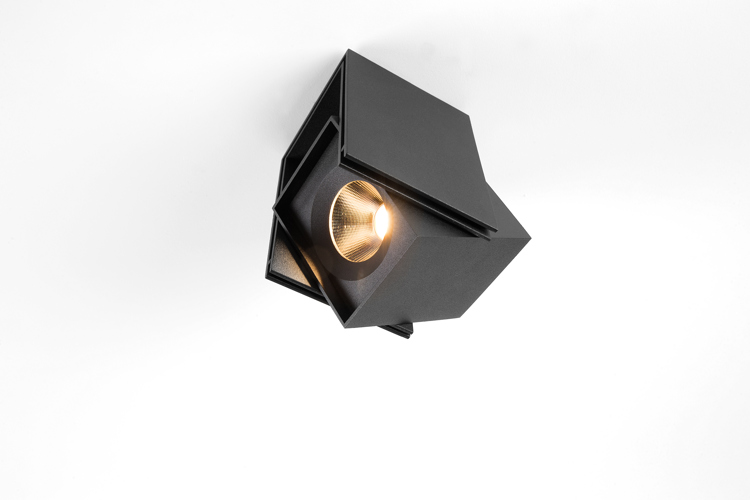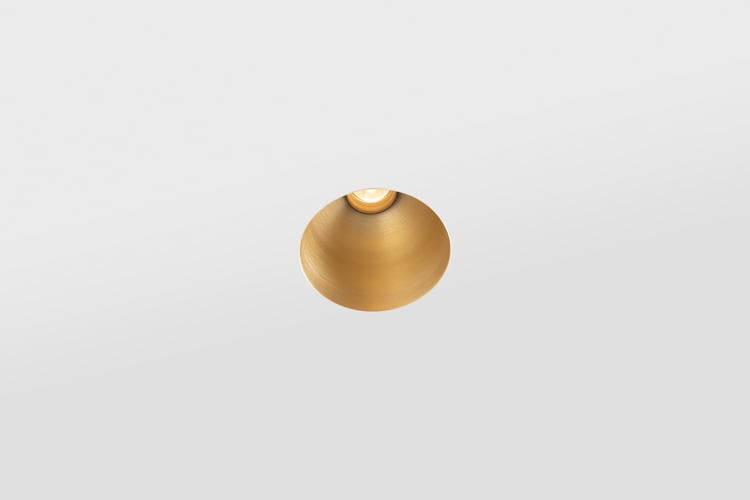
Recessed wall lighting
Architectural lighting integrated into the wall
Discover recessed wall lights designed to become part of the architecture. Integrated into the wall surface, they combine a minimal visual presence with carefully considered light for residential, hospitality, retail and workplace interiors.
Product filter list
What are recessed wall lights?
Recessed wall lights are integrated into the wall surface, allowing light to shape the space while the luminaire itself remains discreet. Depending on their placement and light distribution, they can provide ambient lighting, accent architectural features or help define circulation through an interior.
Their close relationship with the architecture makes recessed wall lighting particularly suited to projects where clean lines and visual simplicity are essential to the design.
Benefits of recessed wall lighting
By integrating the luminaire into the wall, recessed lighting keeps the architecture visually uncluttered. The light becomes part of the space rather than an element added to it.
Recessed wall lights can also introduce rhythm and depth. Used individually, they can draw attention to a particular surface or architectural detail. Repeated along a wall, they create a consistent lighting pattern that helps structure the interior.
The result depends on more than the luminaire itself. Position, spacing, light distribution and the surrounding materials all contribute to how the light is perceived within the architecture.
Where to use recessed wall lights
Recessed wall lighting can support a wide range of architectural applications.
In residential interiors, it can contribute to ambient lighting while maintaining a clean visual language. In hospitality projects, recessed wall lights can help shape an intimate atmosphere and become part of the overall lighting concept.
Within retail interiors, integrated wall lighting can complement the architecture and support the presentation of the space. In workplace environments, it can form part of a layered lighting scheme alongside ceiling, pendant and task lighting.
Across these applications, recessed wall lights give architects and lighting designers the freedom to work with light while keeping the luminaire visually restrained.
Designing with recessed wall lights
Effective architectural lighting starts with the desired experience of the space. Consider where light is needed, which surfaces or architectural elements should be emphasised and how wall lighting will interact with other luminaires.
Placement can create very different effects. A repeated arrangement can introduce rhythm, while an individual recessed wall light can act as a subtle point of illumination. Combining recessed wall lighting with ceiling lights, pendants or other architectural luminaires creates layers of light that respond to different functions and moments within the interior.
The finish of the wall also influences the final effect. Light, material, texture and colour work together, making the wall itself an important part of the lighting composition.
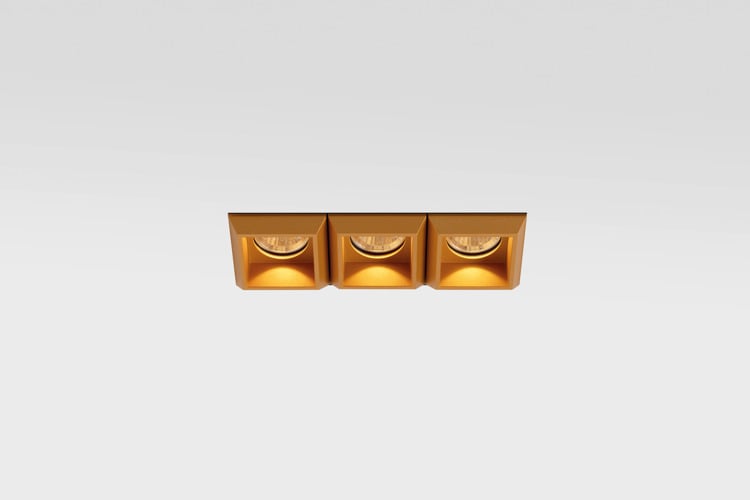
Recessed square lighting
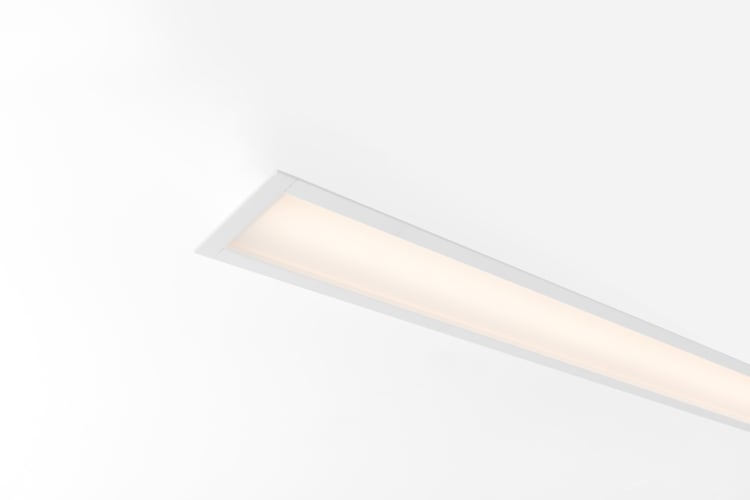
Recessed linear lighting
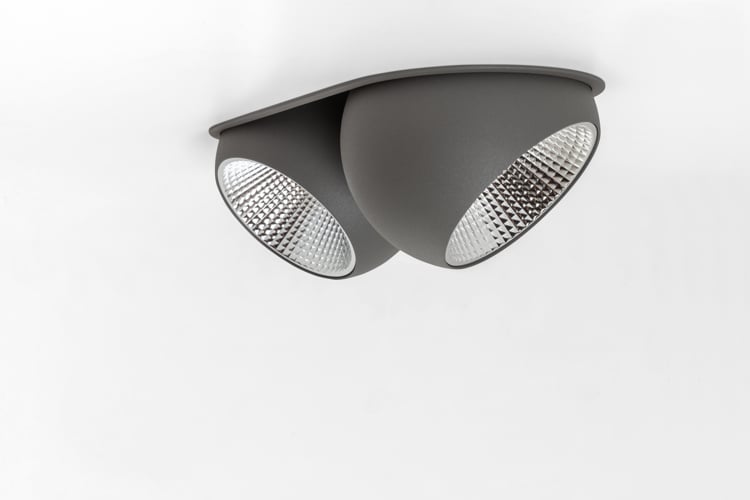
Recessed ceiling lighting
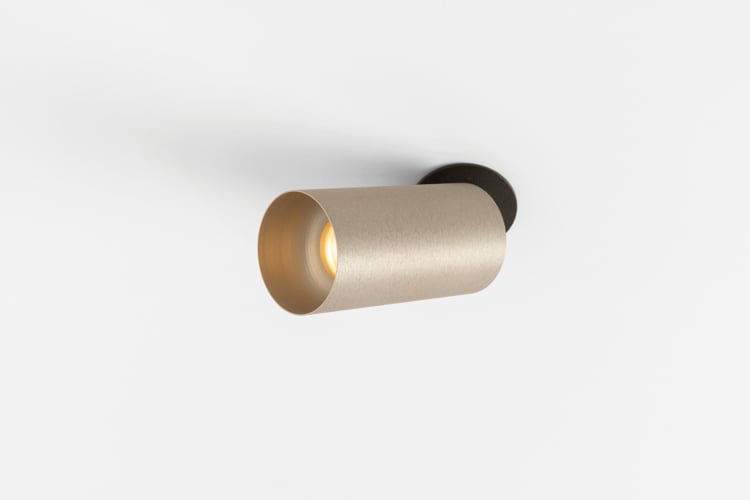
Semi-recessed ceiling lighting