Cube lights

Cube lighting has become a distinctive element in contemporary architectural lighting design. With their geometric form and precise light distribution, cube lights bring structure and rhythm to ceilings while highlighting specific areas within a space.

Often used in recessed ceiling applications, cube lights combine minimal design with strong visual impact. Their compact shape makes them suitable for a wide range of interiors, from residential projects to offices, retail environments and hospitality spaces.

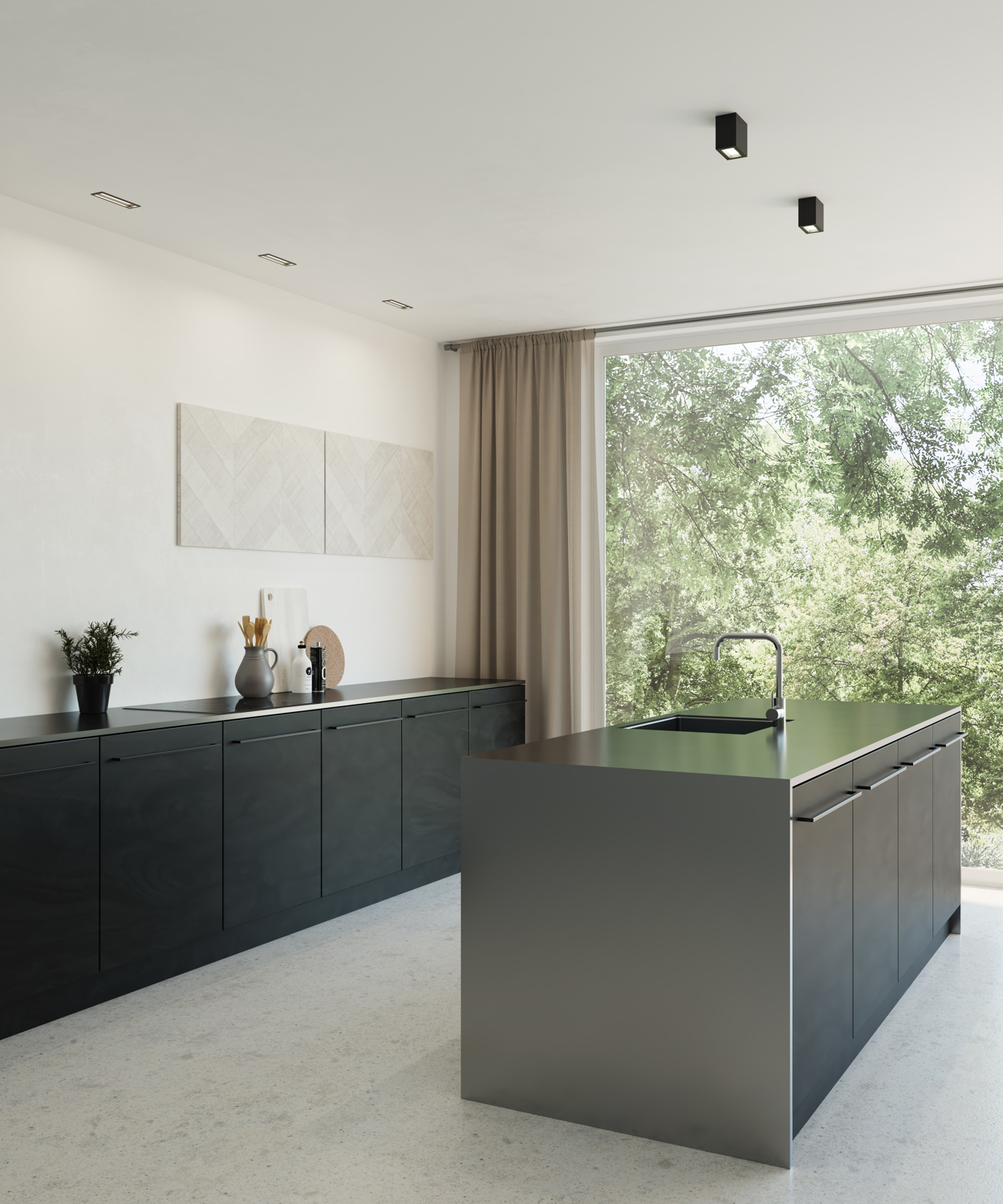
  • Qbini Surface Box installed above the kitchen of a private residence in Rotterdam, The Netherlands.
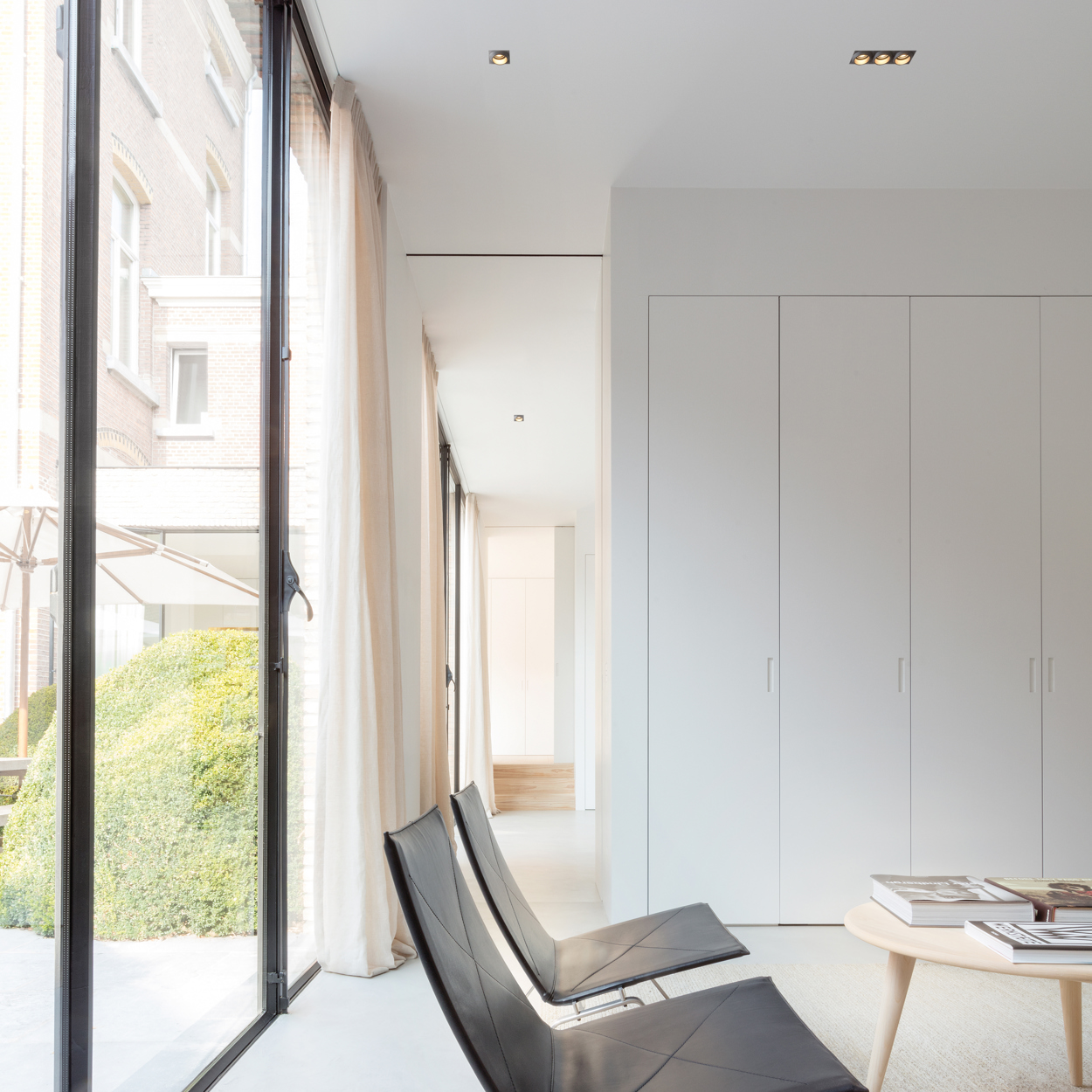
  • Qbini installed in a living room of a private residence in Antwerp, Belgium
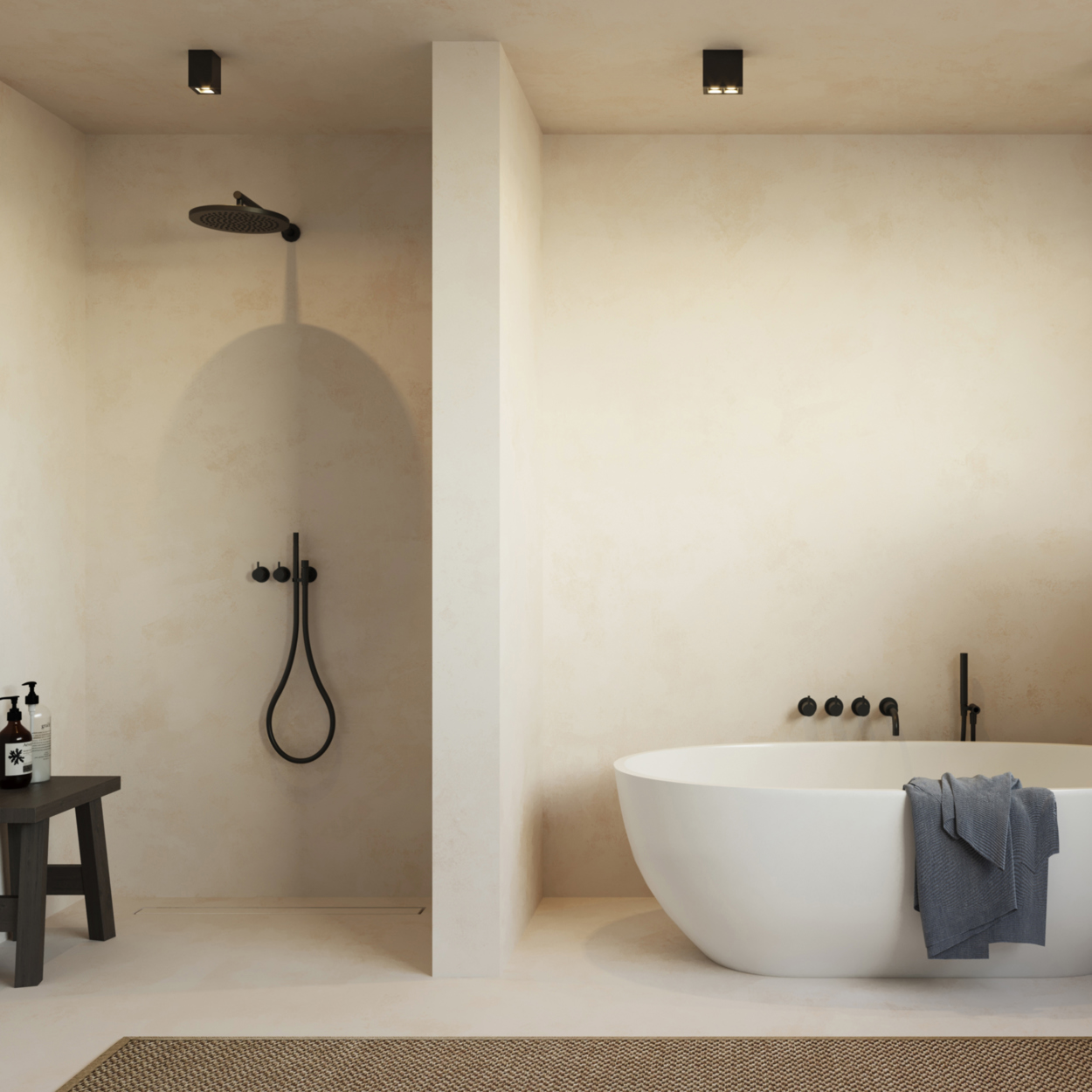
  • Qbini Surface Box installed in the bathroom of a private residence in Rotterdam, The Netherlands
  • Key advantages of cube lighting

    • Strong geometric identity
    • Precise accent lighting
    • Modular configurations
    • Seamless integration in modern interiors

    Because of their compact size, cube lights can be installed individually or combined in larger compositions to create rhythm across the ceiling.

Qbini

Modular cube lighting for creative ceilings

Qbini brings the concept of cube lighting into a modular architectural lighting system. The square frames allow designers to combine different light modules within one coherent structure.

The system can be installed flush with the ceiling or deep recessed, creating different lighting effects depending on the design intent.

With multiple light modules available, Qbini allows designers to combine accent lighting, ambient lighting and visual patterns within one square lighting framework.

Blind Cover

Creating patterns with cube lighting

Lighting design is not always about adding more light. Sometimes it is about creating visual balance.

The Qbini Blind Cover allows designers to introduce empty modules within a cube lighting composition. These covers integrate seamlessly into the square frames while maintaining the same architectural rhythm.

Designers can use the Blind Cover to:

• Ceate visual patterns across the ceiling
• Hide sensors or technical components
• Reduce light levels in specific zones

Available in black, white and gold, the covers blend into the lighting grid while expanding the design possibilities of the Qbini system.

Discover our square lights

Qbini Asy

Directional cube lighting

Qbini Asy introduces directional light within the square lighting framework. With a 30° tilted module that can rotate in different directions, designers can direct light exactly where it is needed.

This makes it possible to highlight artwork, accent architectural details or create subtle wall grazing effects.

Used in pairs or larger compositions, Qbini Asy can also generate striking geometric light patterns across the ceiling.


Qbini General

Ambient cube lighting

While cube lighting is often associated with accent lighting, Qbini General introduces a softer, more diffuse lighting effect.

This module distributes light evenly, creating a calm ambient glow rather than a focused beam.

Installed individually, it can resemble a small skylight embedded in the ceiling. Combined with other Qbini modules, it adds balance to compositions that mix accent and ambient lighting.

What is cube lighting?

Cube lighting refers to lighting fixtures with a square or cubic form, often installed in ceilings or on walls. Designers use cube lights to introduce a clear geometric rhythm into a space while providing precise accent or ambient lighting.

Because of their architectural shape, cube lights are often used in contemporary interiors where clean lines and visual structure play an important role.

Where is cube lighting typically used?

Cube lighting is commonly used in residential projects, offices, hospitality spaces and retail interiors. Designers often install cube lights in ceilings to highlight circulation areas, accent architectural elements or create a structured lighting pattern across larger spaces.

Their compact form makes cube lights suitable for both subtle lighting accents and larger lighting compositions.

Can cube lighting be combined with other lighting types?

Yes. Cube lighting works best as part of a layered lighting concept. Designers often combine cube lights with recessed spotlights, pendant lighting or linear lighting systems to create a balanced lighting atmosphere.

This layered approach allows different light sources to support both functional lighting and spatial ambience.

What makes the Qbini system unique?

Qbini is Modular’s modular cube lighting system designed for architectural ceilings. Its square frames allow different lighting modules to be combined within one coherent structure.

Designers can mix accent lighting, ambient lighting and directional modules to create customised lighting compositions that respond to the architecture of a space.