
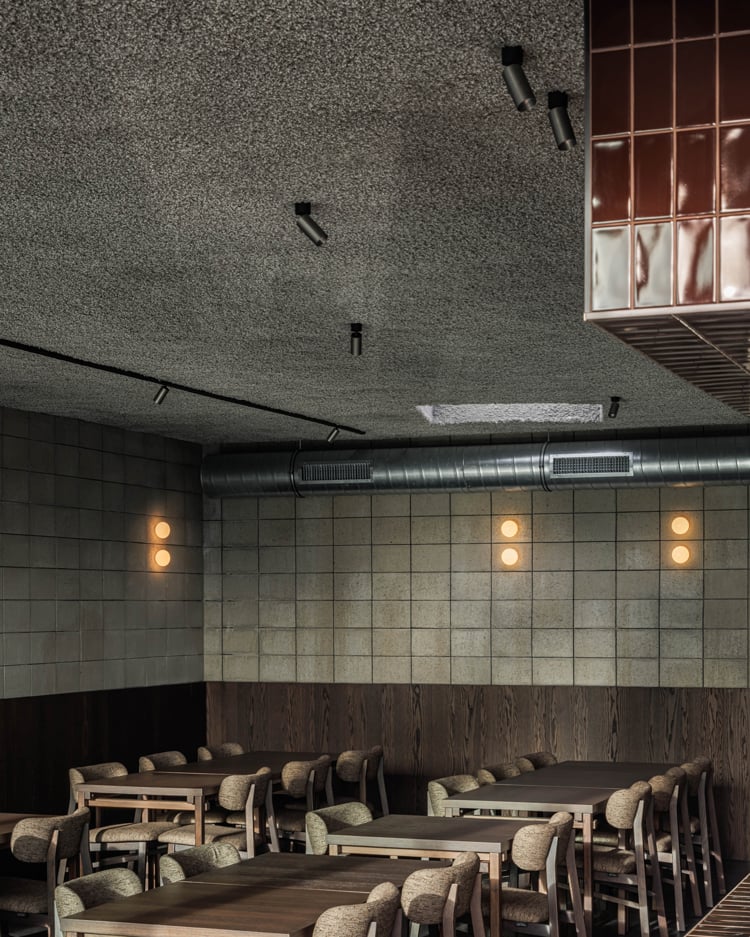
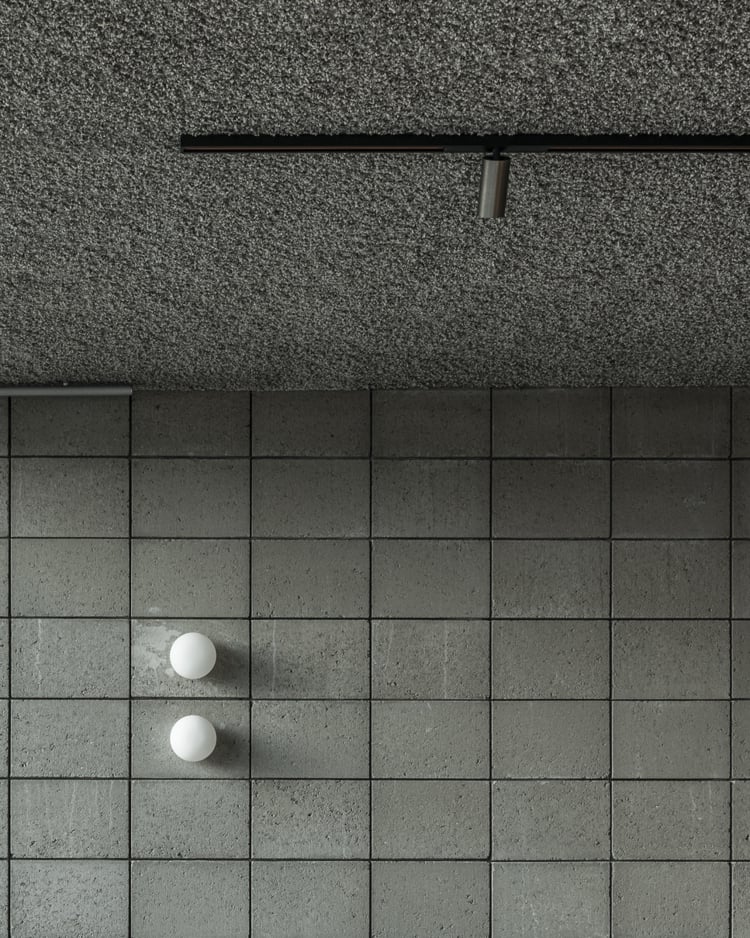
Hospitality spaces are constantly evolving. A restaurant may shift from breakfast service to fine dining throughout the day. Hotel lobbies have become places to work, meet and relax, while bars regularly reinvent their atmosphere to match changing concepts and events. Lighting should evolve just as easily.
Architectural track lighting is a flexible lighting system that allows multiple luminaires to be mounted on a continuous track. Instead of fixing every fitting in a permanent position, luminaires can be moved, replaced or added without modifying the electrical installation.
This makes track lighting particularly suitable for hospitality projects, where interiors rarely remain static. Tables move, artwork changes, new seating areas are introduced and spaces often serve different purposes throughout the day.
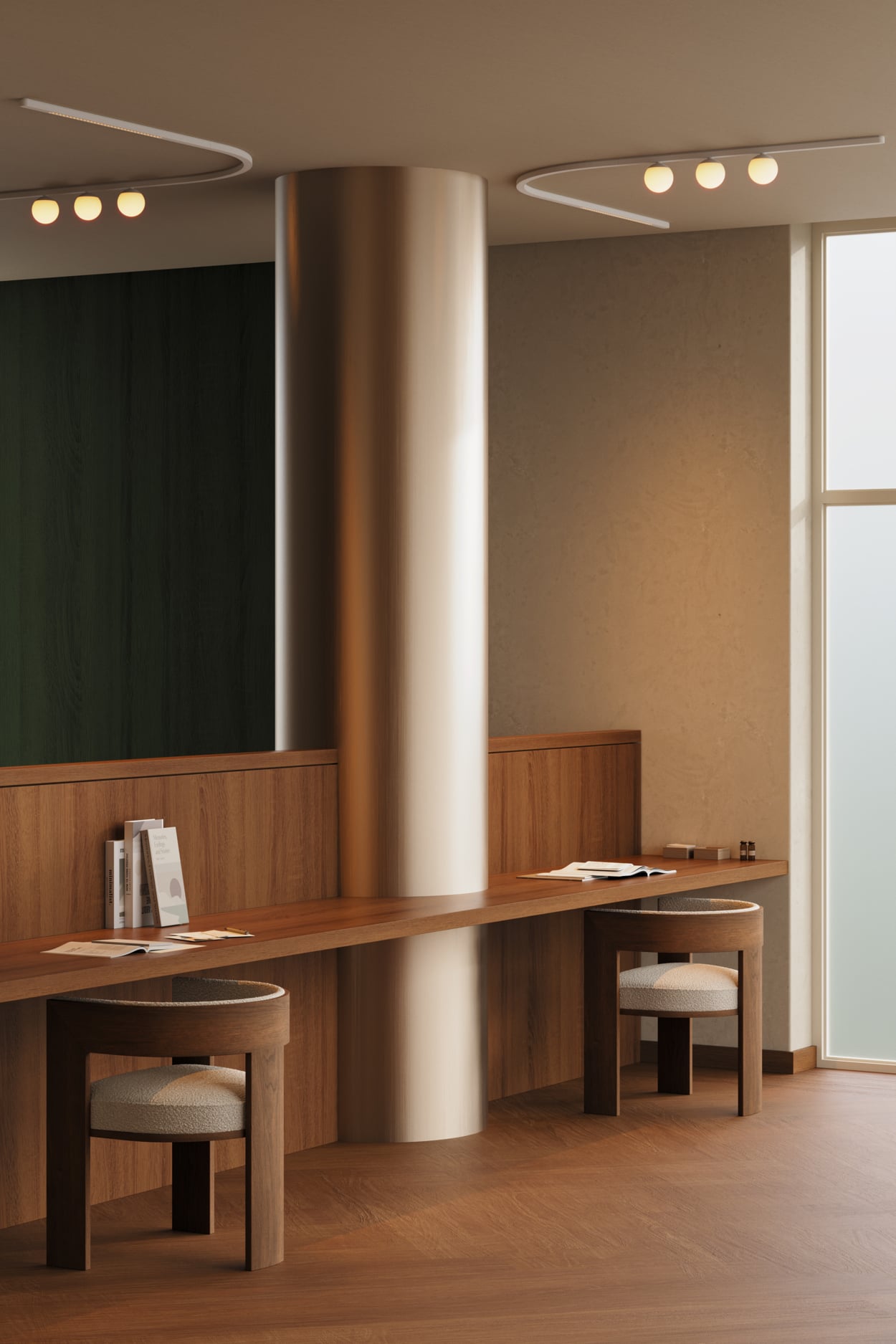
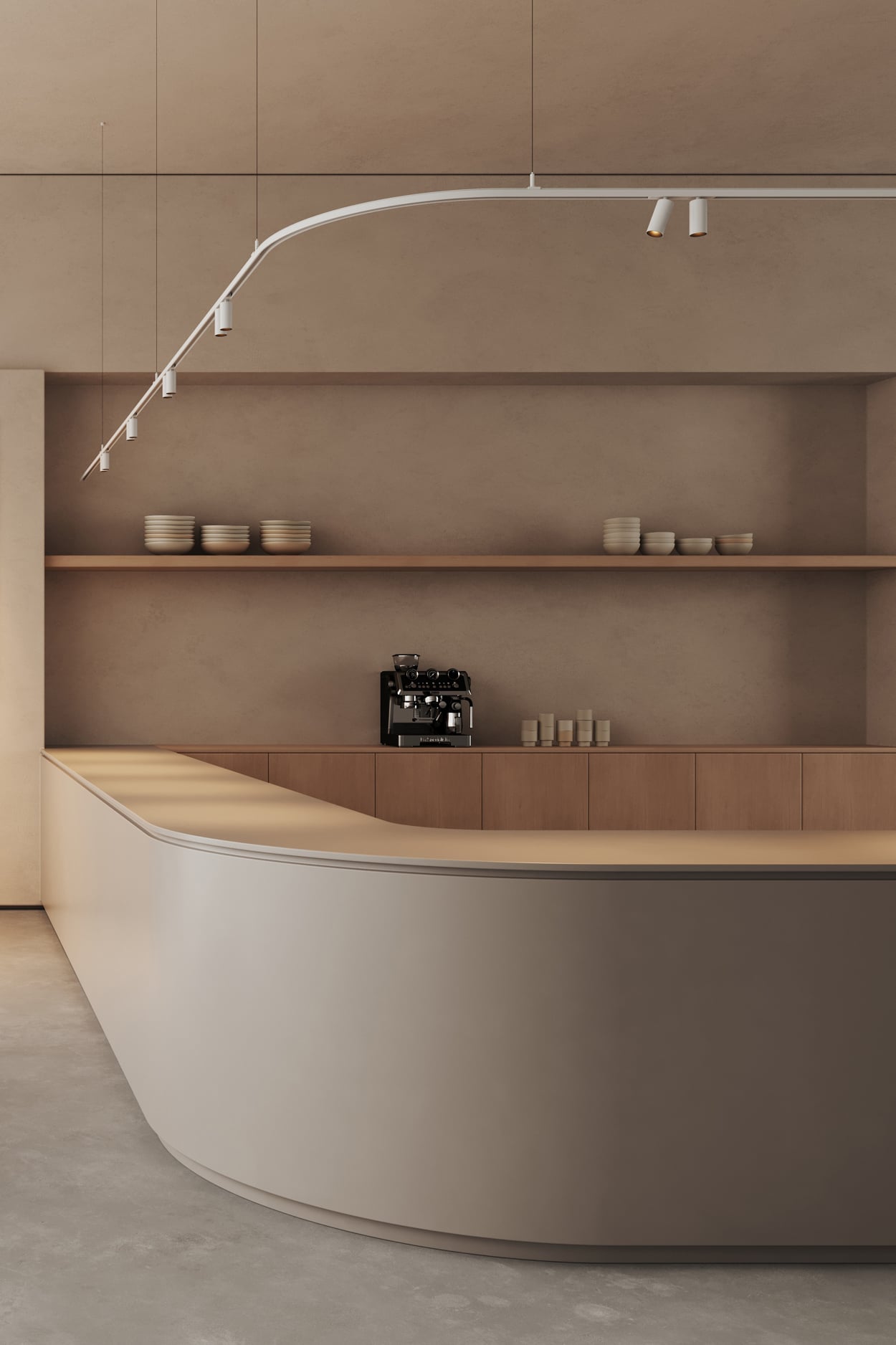
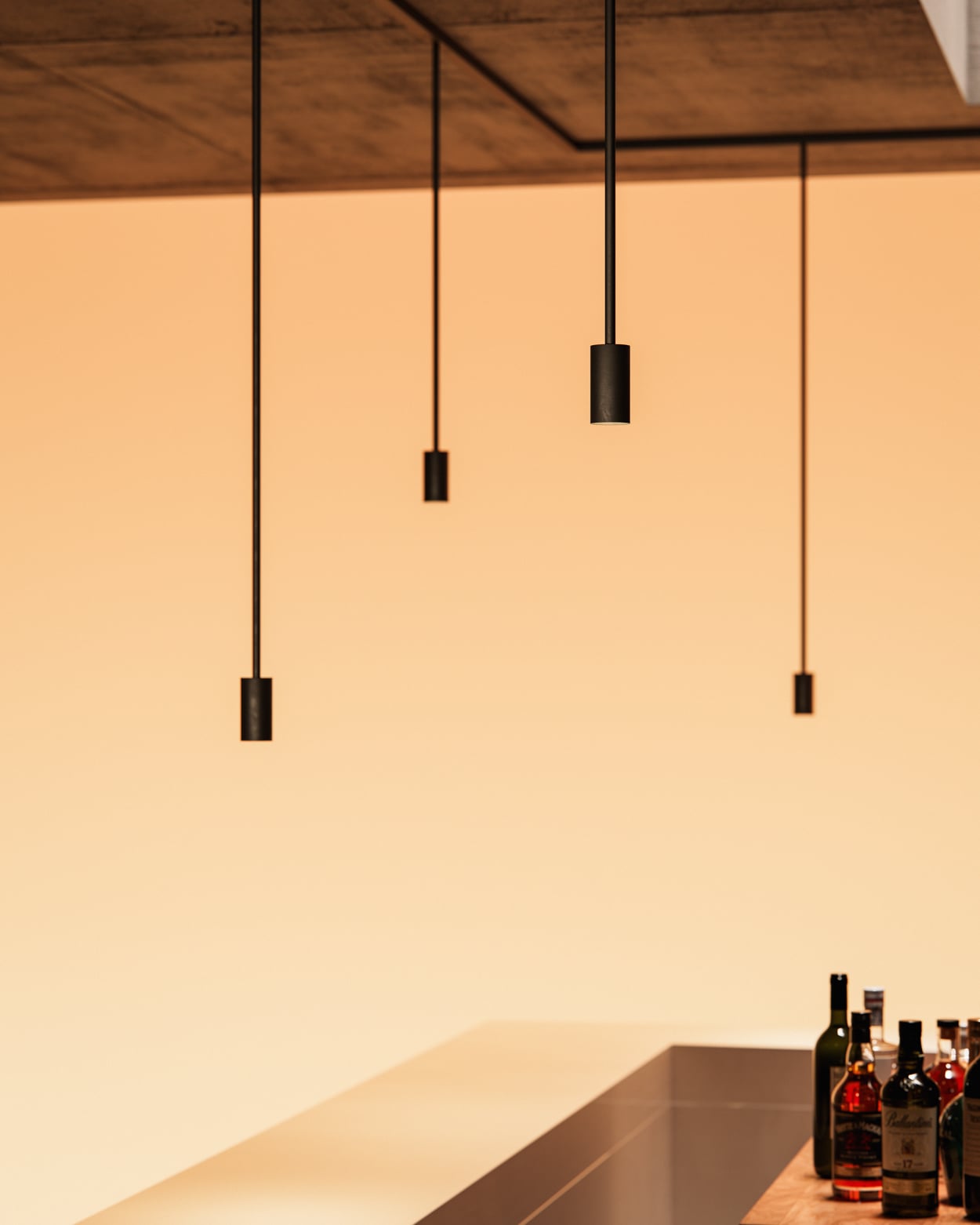
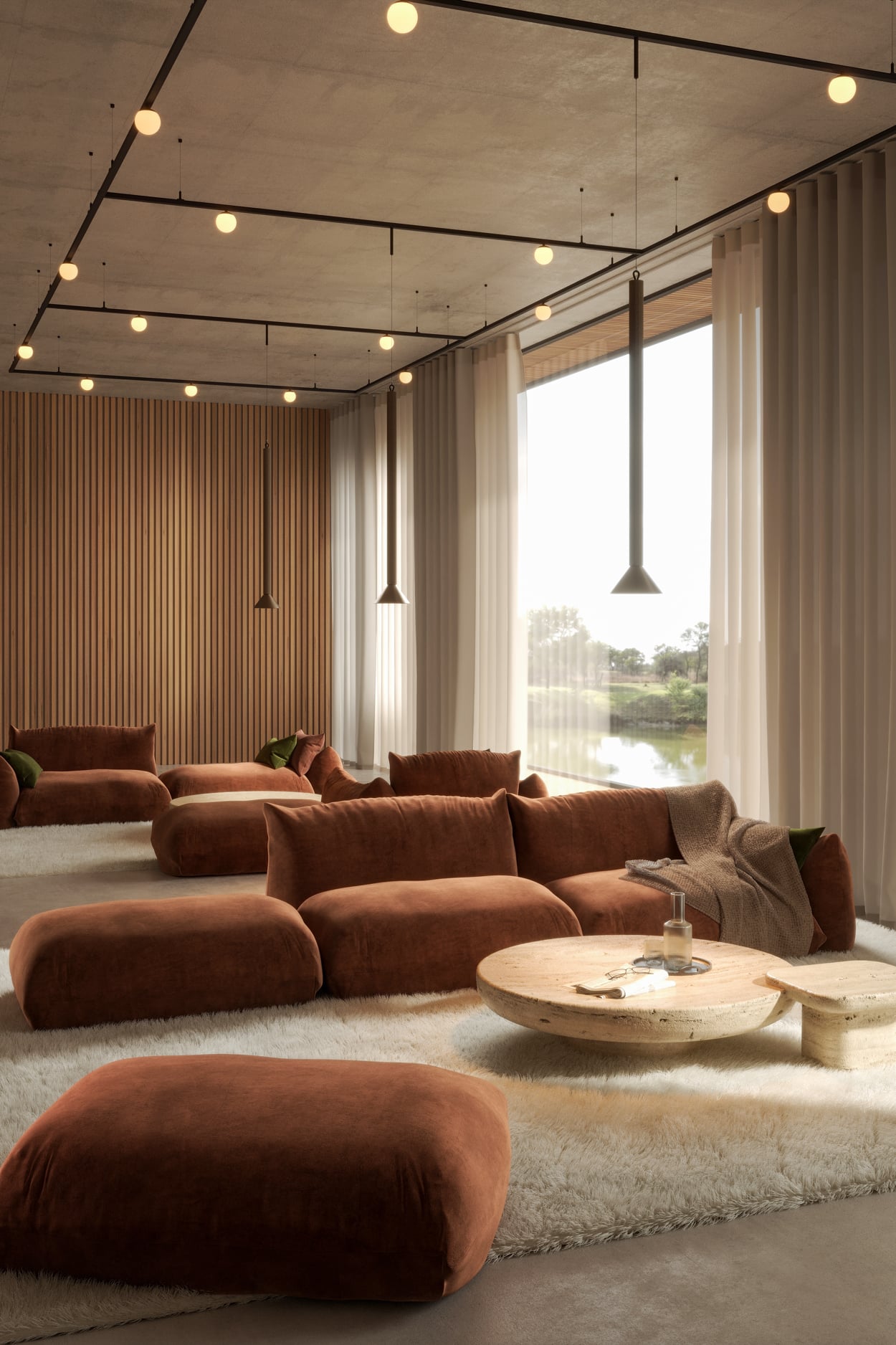
Every project is designed around experience. Lighting influences how guests perceive a space, how long they stay and which architectural elements attract their attention. At the same time, operators need interiors that can evolve without extensive renovation work.
Track lighting addresses both requirements.
Instead of replacing luminaires whenever the layout changes, designers can simply reposition them. A restaurant introducing larger tables, a hotel displaying a new art collection or a bar creating seasonal experiences can all adapt their lighting with minimal intervention.
This flexibility extends the lifespan of the lighting installation and allows interiors to evolve without compromising the original architectural vision.
For architects, it also offers greater creative freedom. Lighting can be refined after completion, ensuring the final result responds to the way people actually use the space.
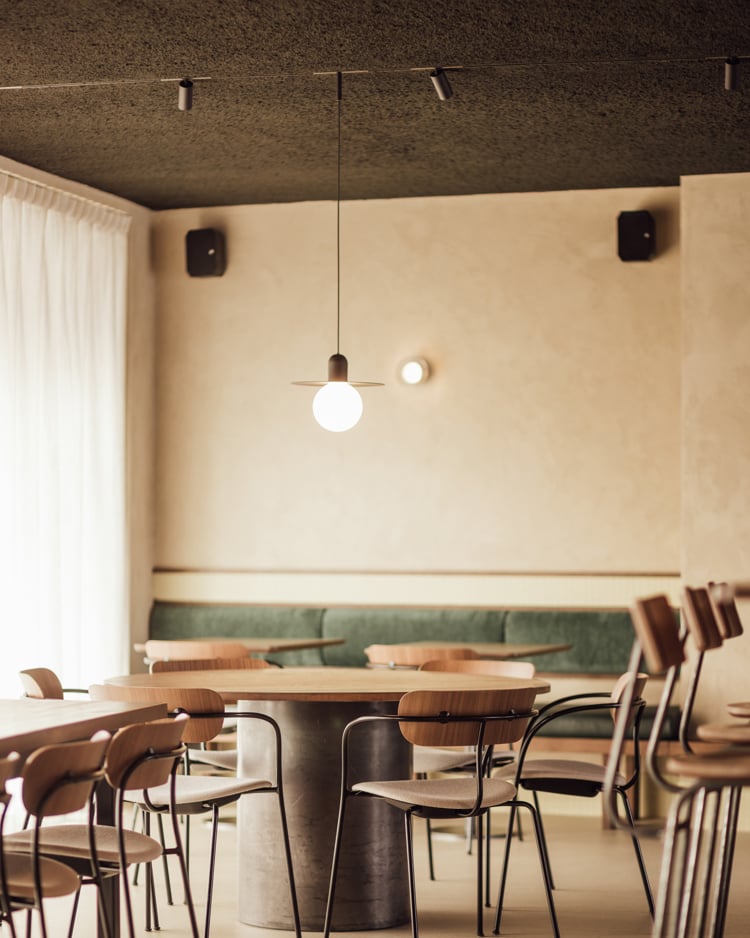
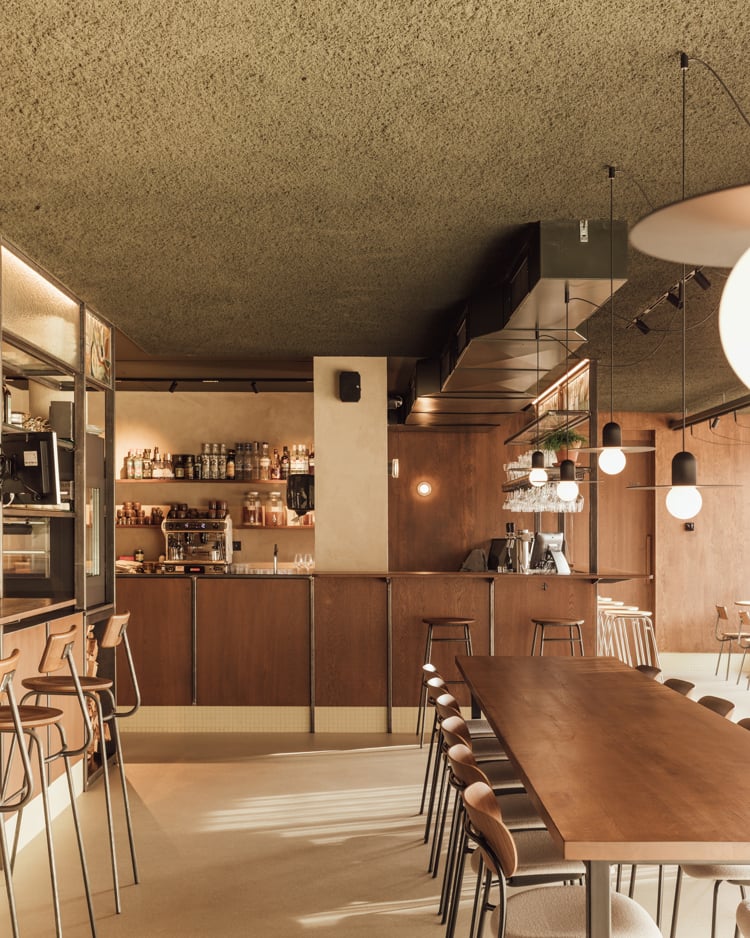
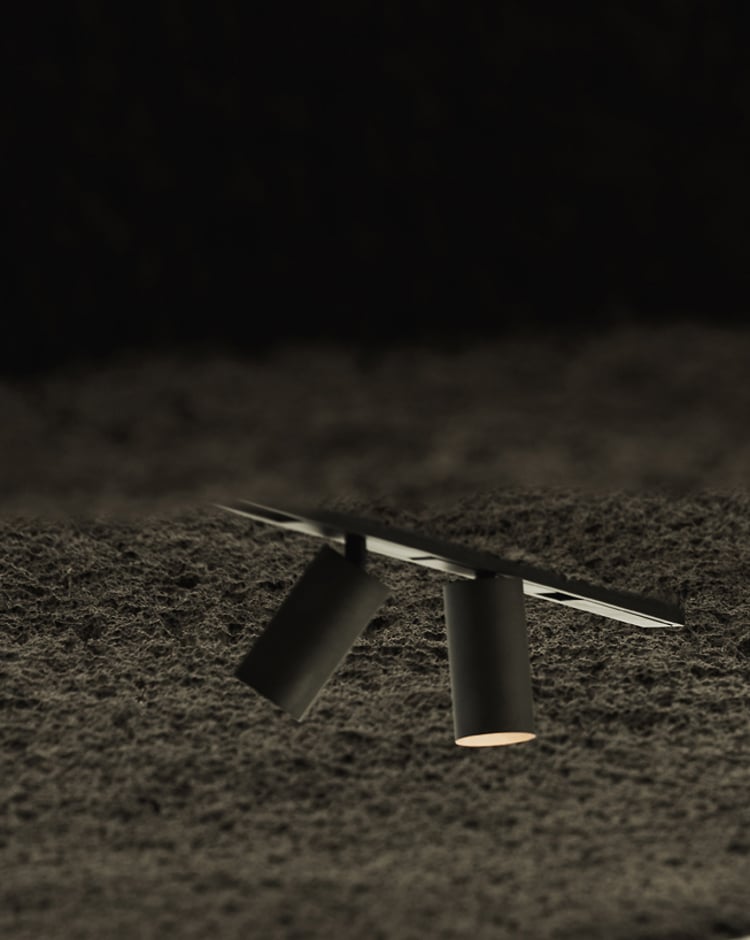
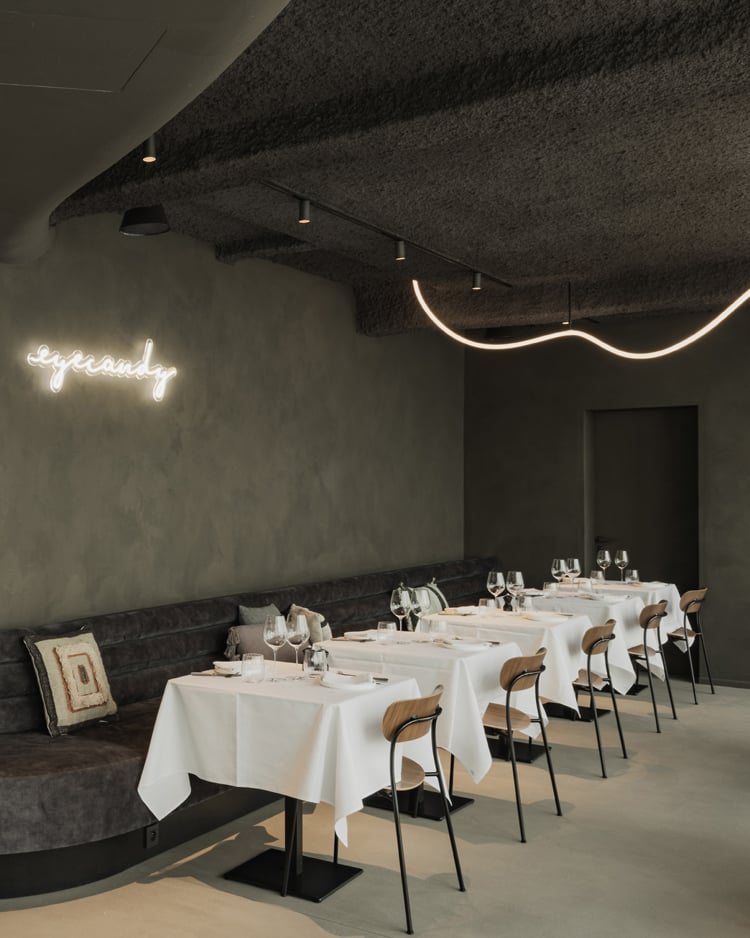
Ambient lighting forms the foundation of every lighting scheme. It provides the general illumination that allows guests to move comfortably through a space while establishing its overall character.
In hospitality environments, warm colour temperatures typically create a welcoming atmosphere, but the right balance is essential. Lighting that is too bright can feel clinical, while lighting that is too dim reduces comfort and functionality.
Accent lighting introduces depth. By directing light towards architectural features, materials, artwork or carefully selected details, designers create focal points that naturally guide the eye through the space.
This layer adds contrast and visual interest while reinforcing the architectural concept. Without accent lighting, interiors often appear flat. With it, spaces gain rhythm, texture and identity.
Because track mounted spotlights can easily be repositioned, accent lighting remains flexible as interiors evolve over time.
Certain areas require higher light levels to support specific activities. Reception desks, bars, open kitchens and service counters all benefit from dedicated task lighting that improves visibility without disrupting the overall atmosphere.
Within a track lighting system, task lighting can be integrated alongside ambient and accent lighting, allowing every area to receive the appropriate level of illumination while maintaining a consistent visual language throughout the project.
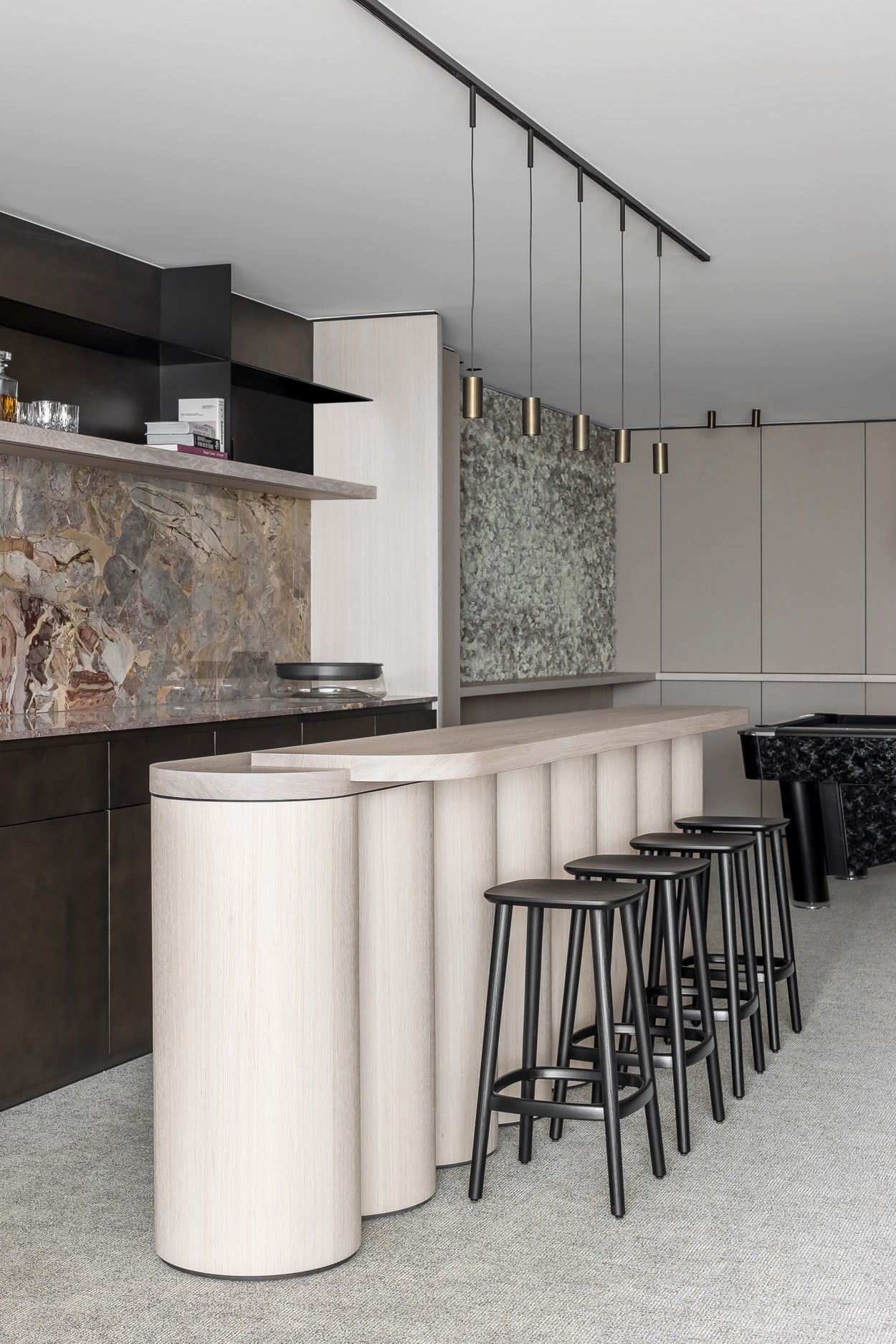
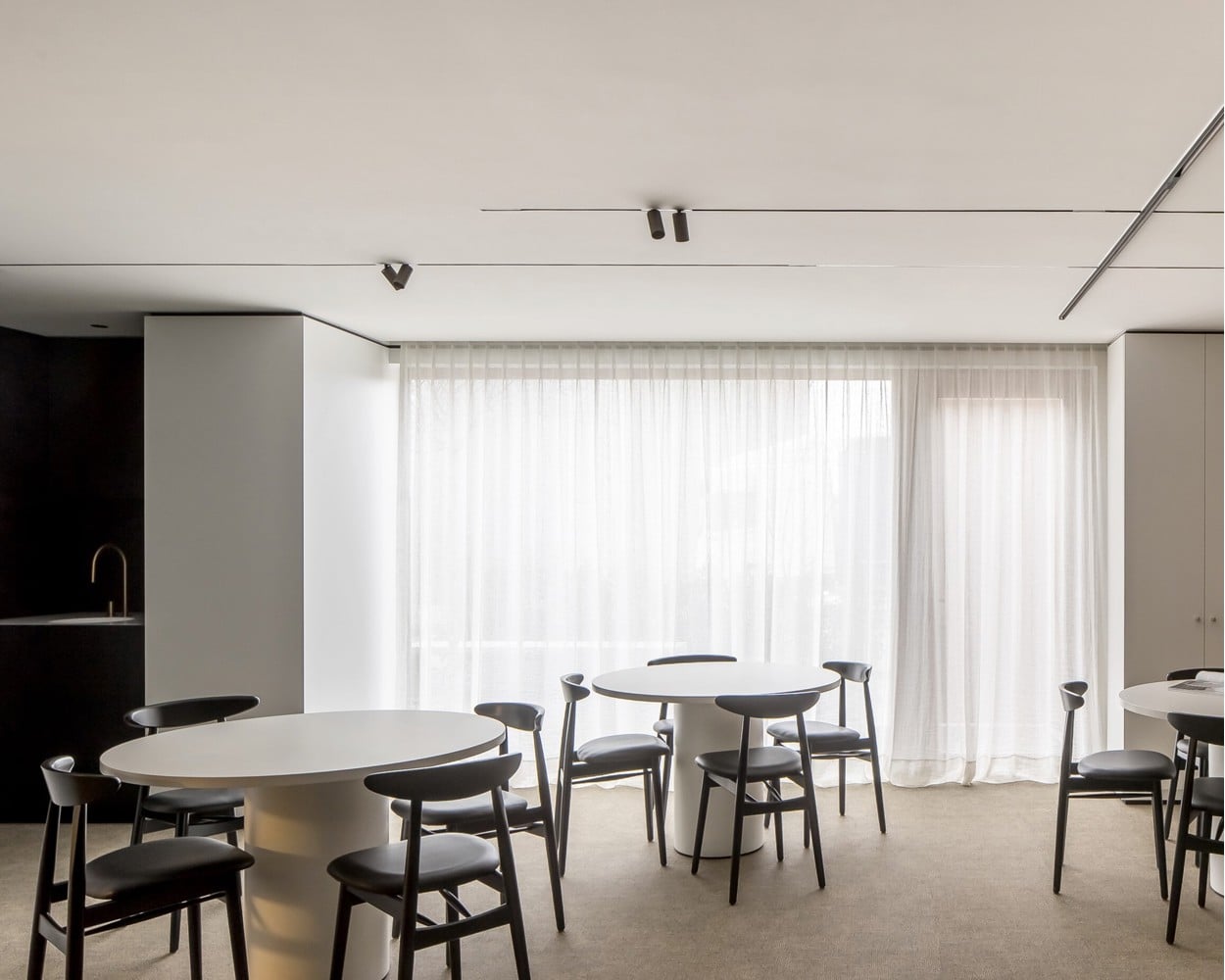
The choice of track system influences far more than the technical installation. It affects the appearance of the ceiling, the flexibility of the lighting design and the long term adaptability of the space.
Low voltage 48V systems have become increasingly popular in contemporary architecture because they combine clean aesthetics with exceptional flexibility. Slimmer profiles allow the track to integrate discreetly into the architecture, reducing visual clutter and keeping attention on the space itself.
Many 48V systems also use magnetic mounting, making it possible to reposition, replace or add luminaires without tools. As layouts change or new lighting requirements emerge, the system evolves without requiring major intervention.
Discover Pista Track 48V
FAQ
Architectural track lighting is a flexible lighting system that allows luminaires to be positioned, moved or replaced along a continuous track. It enables designers to adapt lighting layouts as spaces evolve while maintaining a clean architectural appearance.
Hospitality spaces frequently change to accommodate new layouts, concepts or guest experiences. Track lighting makes it easy to adjust the lighting scheme without replacing the entire installation, offering long term flexibility for hotels, restaurants and bars.
A 48V track system offers slim architectural profiles, magnetic installation and the flexibility to reposition luminaires with ease. It allows designers to create refined lighting concepts that can evolve alongside the space.
A successful hospitality lighting scheme combines ambient lighting for overall illumination, accent lighting to highlight architectural features and task lighting for functional areas such as reception desks, bars and open kitchens. Together, these layers create visual comfort, guide movement and shape the guest experience.